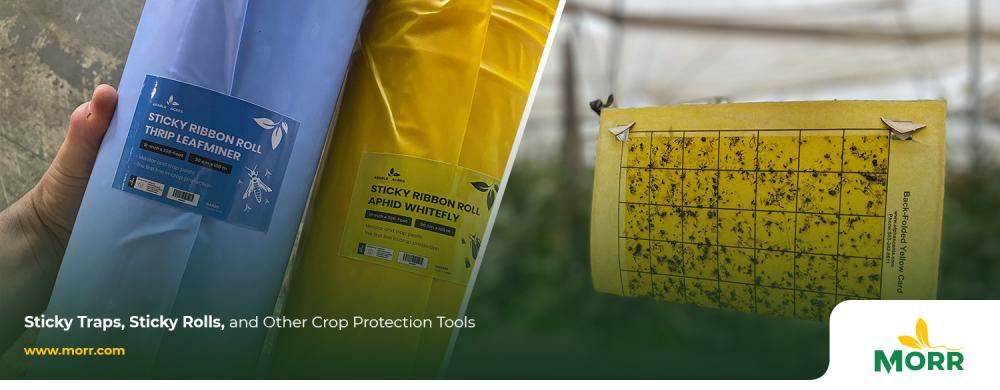
Sticky Traps, Sticky Rolls, and Other Crop Protection Tools- Farming requires diligence, attention to detail, and a long list of operating procedures to ensure the desired results come to fruition and avoidable pitfalls don’t enter the equation. An important step in crop protection is defense and monitoring/scouting for problems. Much like how annual doctors’ visits pre-screen for preventative purposes, sticky traps, monitoring cards, and other defensive measures ensure detection of pests early and allow a remedy before it is too late.
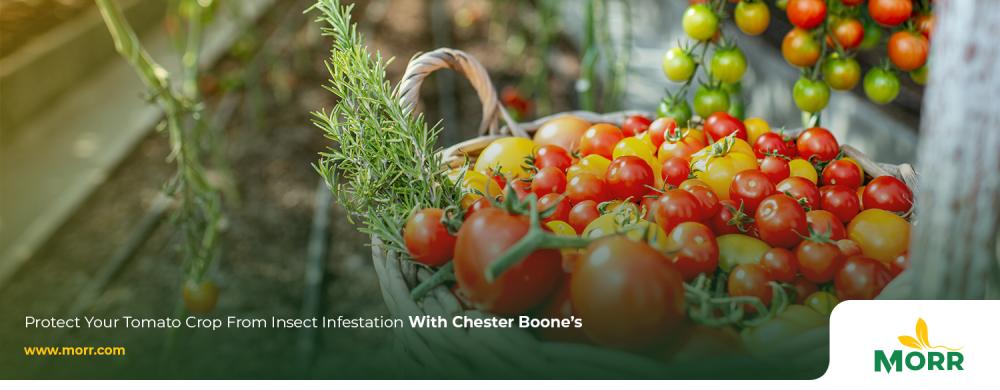
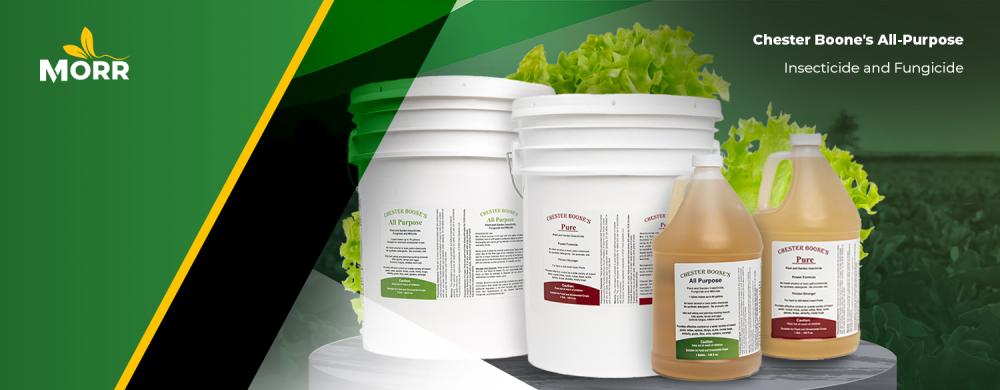
Protect Your Tomato Crop From Insect Infestation With Chester Boone’s! Chester Boone’s Horticultural Pesticides have been developed to provide effective relief from agricultural insect pests, to be strongly value based, and to be safe for the user...
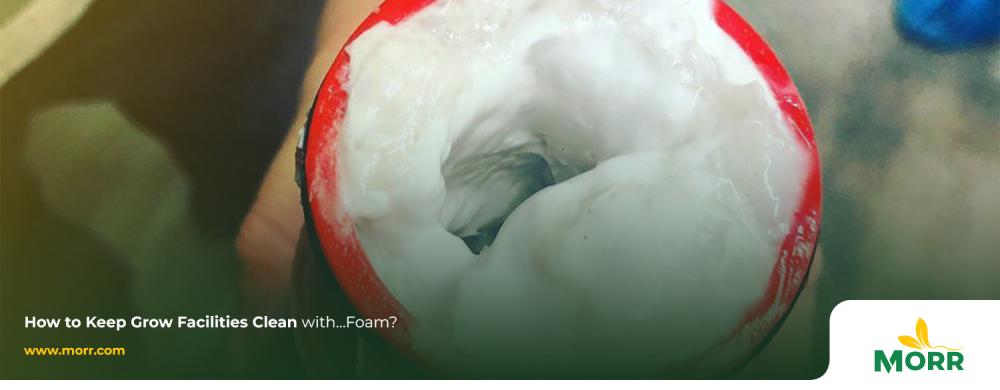
Greenhouse Bliss: Supporting Pristine Spaces with Foam Cleaners - Keeping a growing area clean and tidy is essential in having full control over the quality and growth of plants throughout the growing season. Every operation should have plans in place and a schedule as to when and where to clean to ensure spaces are kept up to par. A major vector for disease and pests is an unclean growing space. Did you know that pathogens can live on a variety of surfaces and if they are not dealt with, they can pass the disease from crop to crop- season to season?
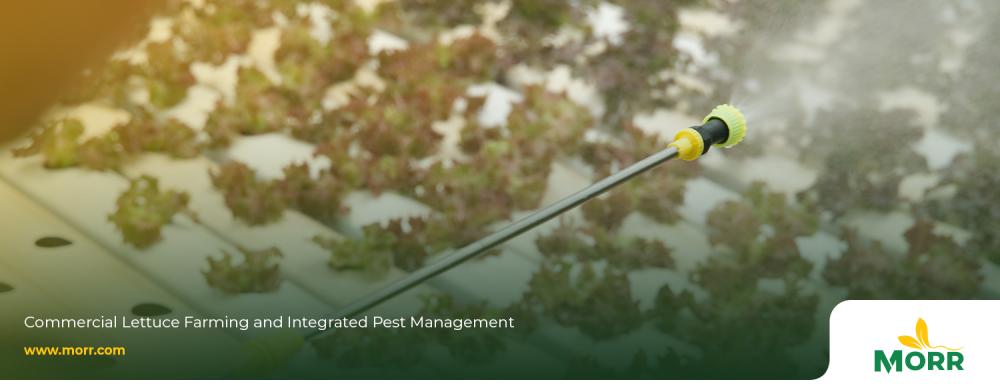
Mastering Pest Control in Commercial Lettuce Farming: Best Practices and Tips- Commercial lettuce farming, whether it is traditional or modern, is a delicate process as lettuce can easily be a target for pests and disease. By having a good pest management plan in place, a grower can better control the growth of their crops for better quality, greater yields, and higher profits. There are several top pests growers should look out for. These are aphids, slugs and snails, whitefly, leaf miners, and more.
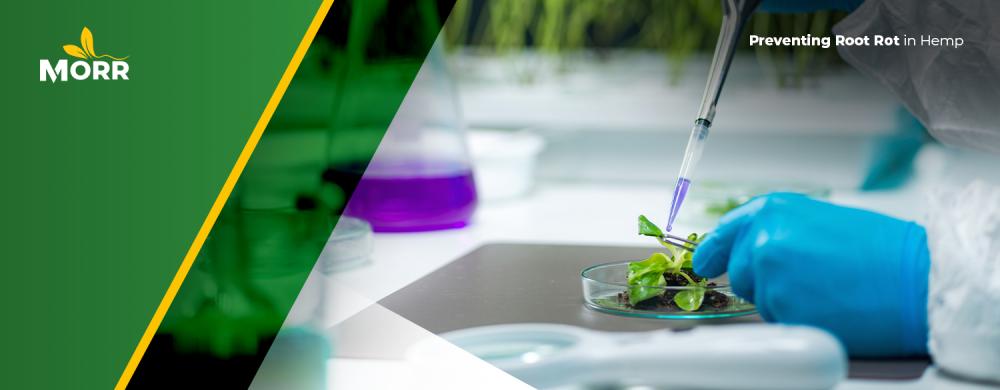
Keeping Roots Healthy and Happy- Preventing Root Rot in Hemp Crops- A concern in the commercial growing of hemp is how to support healthy roots through the reduction or elimination of root rot in crops. There are several methods a grower can use to drastically reduce the instances of root rot in their crops to ensure proper growth and quality from seed to harvest.
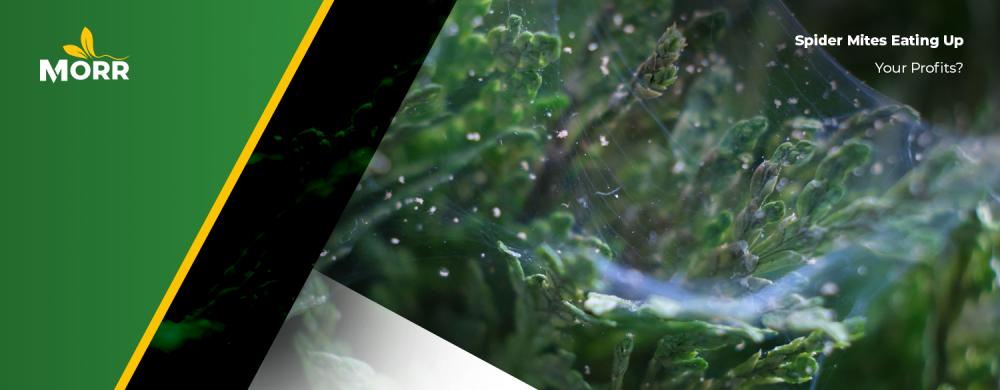
Spider Mites Eating Up Your Profits? In commercial grow operations, plant pests are one of the top causes of decreased profitability contributing to poor plant health, quality, and yields. One such pest that should be at the top of a commercial growers most “unwanted list”, is the spider mite. These tiny arachnids can rapidly infest crops, causing tremendous amounts of damage by extracting plant liquids, and in some cases spreading disease. The most common spider mite found in a greenhouse is the broad mite, as well as the carmine spider mite, cyclamen mite, the Lewis spider mite, and the two-spotted mite.
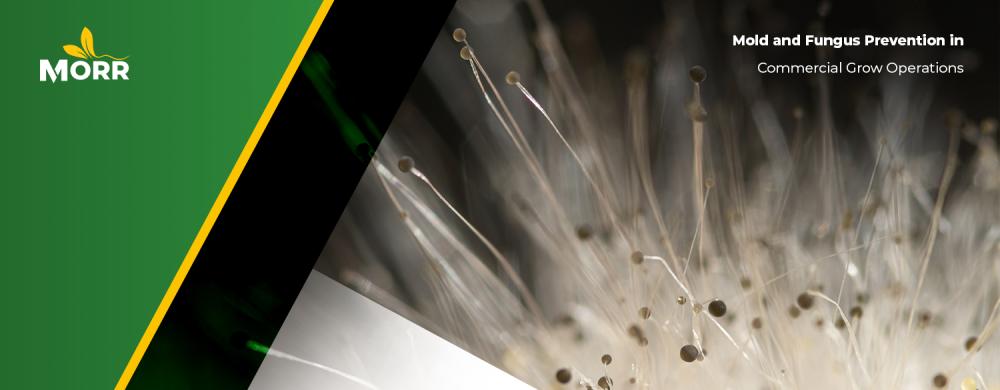
Mold and Fungi Growth Control in Commercial Greenhouses- A top concern in a commercial greenhouse is the presence of mold and fungi. Every greenhouse will at some point have some form of mold and fungi growth. More times than not, mold and fungi growth can happen very quickly, and in some cases, overnight. However, a grower can be more informed and pick up on the warning signs of a potential mold or fungus outbreak in the growing area before it pops up.
Chester Boone's: Meeting All Grower Needs for Organic Insect and Disease Control- When faced with creating an integrated pest management plan, a grower is given a wide range of choices and brands. It is essential to the success of an operation, that the right methods are selected and used. A grower needs to figure out strategies that align to their budgets, goals, and type of operation.
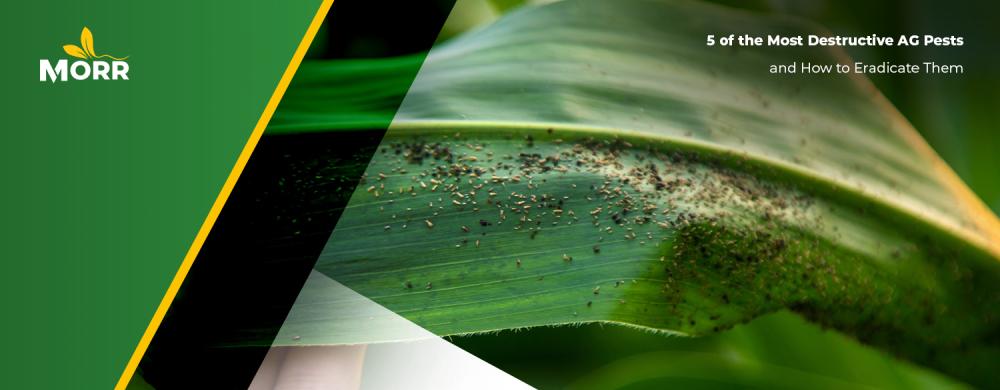
The Top Most Unwanted Pests in Horticulture and How to Evict Them From Your Operation. Face it, we’ve all been there. Crops are looking great, the humidity is perfect, and everything is running smoothly. Then you see it- the quick movement of something small. Yellow spots on leaves, and a plant that seems a bit too small for its place in the growing cycle. Upon closer inspection, you see insects and possible other pests.