How To Ensure Your Farm Purchases The Perfect Reverse Osmosis Water Purification System

When purchasing Reverse Osmosis water systems, it is important to consider the variables that contribute to the best user experience, system engineering, and a fair price. In this article we will break down the different manufacturers and what comprises their respective water purification systems. After reading this article we hope you will understand what is necessary and what is wasted investment that will not contribute to the overall performance of your irrigation system and farm profitability.
Reverse Osmosis (RO) water systems are not manufactured products in the classic sense. The companies selling these systems are generally not manufacturing the parts but rather assembling them. The component parts are manufactured by various companies that specialize in membranes, pressure vessels, pumps, flow control parts, electronics, etc. Therefore, understanding the core components of an RO system is the best way to gauge its value and expected performance.
REVERSE OSMOSIS MEMBRANES
Membranes are the filtration portion of any RO system. As opposed to traditional filtration technologies that count on filters or screens to remove particles in the water, RO membranes utilize a pressure driven separation process that relies on semipermeable spiral wrapped membranes and the principles of crossflow filtration.
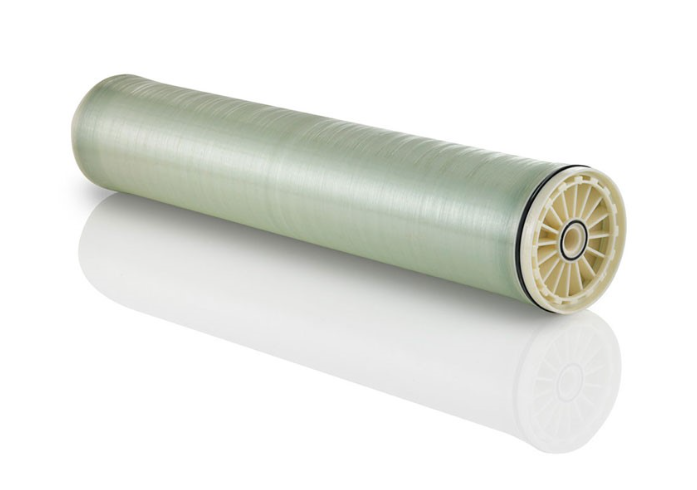
Inorganic molecules, salts, and organic molecules with a molecular weight greater than approximately 100, cannot pass through the barrier created by the membrane. This technology is one of the finest methods for filtering and thereby purifying water.
Membranes can effectively remove contaminants including but not limited to:
-
Antibiotics
-
Endotoxins
-
Insecticides
-
Herbicides
-
Metal ions
-
Nitrates
-
Pesticides
-
Pyrogens
-
Soluble salts
-
Sugars
There are several major membrane manufacturers in the US and several lesser-known companies overseas. We only recommend using US made products that are ISO 9002 Certified. Any savings on the upfront costs of membranes are lost in efficiency, duration of use, and efficacy. There are specialty tools, machines, and testing requirements that our trusted US manufacturers implement and stringently stick to, this cannot be said for overseas companies and imported products.
Of the US manufacturers, we want to know that the membranes we sell will provide predictable, trouble-free operation and that control processes are in place that visually screen for issues, vacuum test the membranes and glue lines, wet test to confirm rejection rates and flow performance, and much more. We have come to rely on approximately two domestic manufactures which can ensure few element-to-element differences between membranes, great longevity of use, balanced pressure across multiple pressure vessels, consistent usage across the membranes, comparable rejection rates, and an overall satisfying customer experience.
A few of the advantages of the membranes we recommend include:
-
An unsurpassed high-active membrane surface area that produces 99.5% or greater typical salt rejection performance
-
Designed to specifically meet the emerging demand for lower-pressure RO system operation
-
Reduce operating expenses without compromising high productivity or salt rejection.
-
Membrane elements can be used in single-pass or double-pass RO systems to produce high purity water in a continuous process
-
Elements are available to ship either in traditional wet form or dry, with dry elements weighing less, having a longer shelf life, can easily be stored, and do not have storage solution to rinse
-
Tolerate a wide range of operating parameters
-
Maintain excellent structural and pH stability
-
Resistant to bacterial growth
-
Produce excellent salt rejection and membrane flux
-
Compatibility with a wide range of antiscalant products
NOT ALL PUMPS ARE CREATED EQUAL
There are a range of irrigation water pumps that come standard on reverse osmosis skids. These booster pumps (Also known as shotgun pumps) are specialty products due to their compact design and ability to generate high pressure at low flow rates.
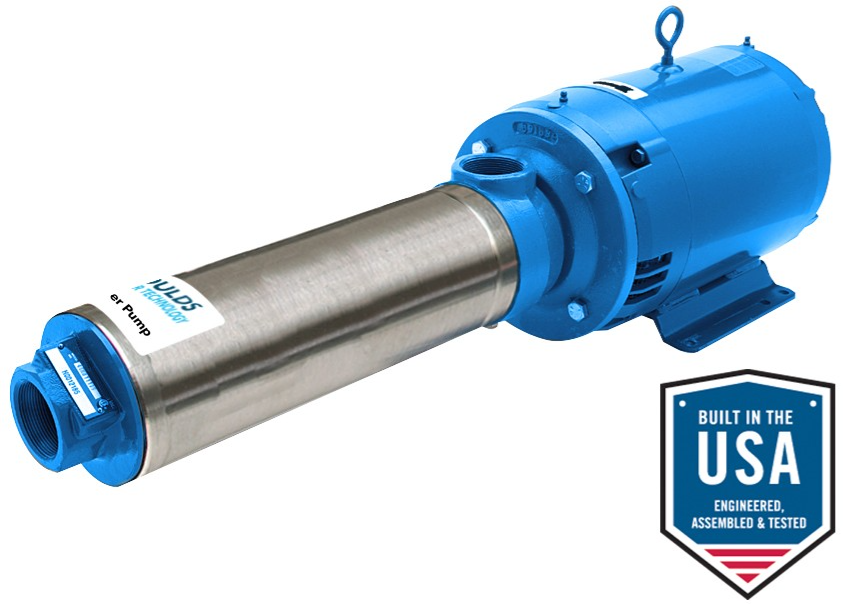
One way RO manufacturers cut costs is by sacrificing a quality pump for a lower quality model. Grundfos and Goulds are two of the largest pump companies in the world. They are known for their craftsmanship, maintain large inventories of spare parts, and have more pumps in the field for a longer duration of time. These pumps have less down time and higher quality component parts. When switching to lesser-known pump companies we often see reductions in energy efficiency and duration of use.
Since an RO system does not actually make you money and carries operational costs, it is ideal that the cost of operation be as low as possible. Purchasing an RO with an inefficient motor and a pump that will require replacement in a few years is a quick way to ruin your return on investment (ROI).
Another important variable when purchasing an RO and therefore an RO pump is the electrical specifications. Cultivation facilities run their RO for most of the day which can carry a substantial electrical consumption cost. Make sure your system is operating at the ideal voltage to improve operational efficiency and allow your electrician to easily install.
Lastly, we have seen too many facilities that operate RO systems with pumps not properly sized for the system's demands. This results in inefficient operation and generally wasted electrical consumption. Running a larger motor than necessary is expensive while running an undersized pump doesn’t maximize system performance. It is not sufficient to assume the manufacturer got it right.
HOW IMPORTANT IS THE CONTROLLER PORTION OF AN RO SYSTEM?
In our opinion, RO system controller brand selection is not a make-or-break decision. For the most part they all operate the same, offer the same functionality, and have similar costs. One pitfall that should be avoided is purchasing overly complex operating systems that generally create more issues than they solve and provide lots of unhelpful data.
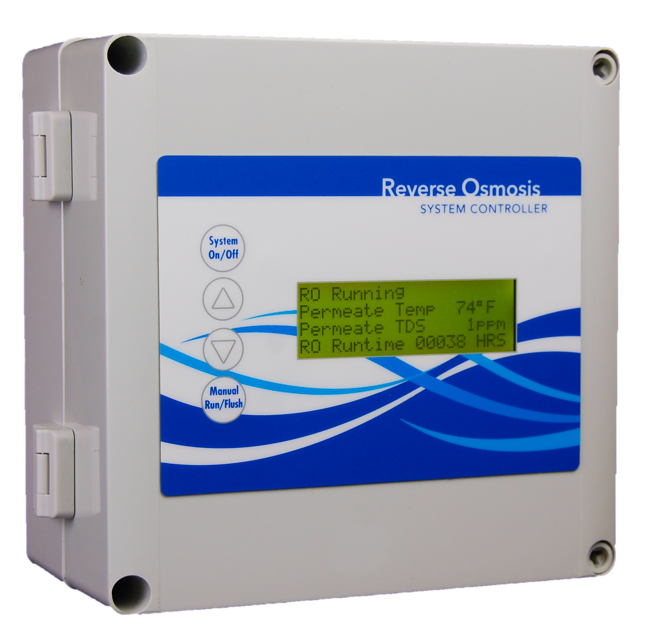
Keeping the RO system simple should be a goal for any farm. They are meant to operate in the background without a lot of attention or maintenance. When companies add too much complex functionality, they only increase down time, expensive technical assistance, plumbing, and electrical work.
An example of what should be avoided would be excess sensors, flow meters, valves, and other sophisticated flow control technology. An RO system can be kept operational with simple pressure differential sensors, a flow meter, and a few other pieces of light technology. For most basic RO systems there is no need for touch screens, cloud based monitoring, and other costly add-ons.
SELECTING PRESSURE VESSELS FOR YOUR REVERSE OSMOSIS SYSTEM
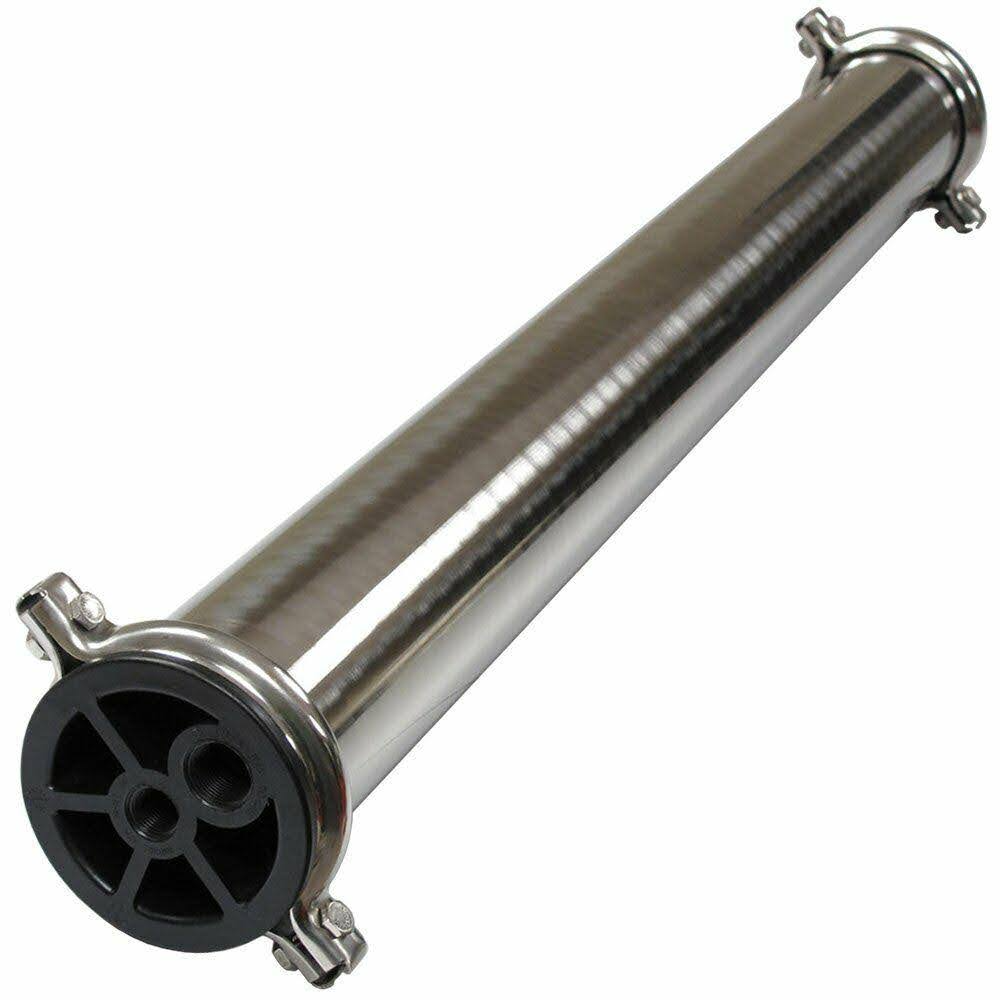
There are two main styles for pressure vessels – fiberglass and stainless steel. Both work but our preference is for fiberglass pressure vessels due to their ease of connection, mounting, and long-lasting use. Since RO water is corrosive and metal is more prone to rusting, the vessels are generally more difficult to open, and they don’t look as clean and sleek as the bright white fiberglass housings.
| Stainless Steel Pressure Vessel Housing | Fiberglass Pressure Vessel Housing |
 |
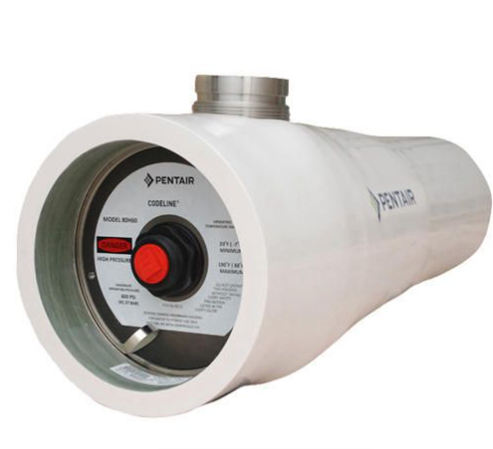 |
There are some efficiency improvements with fiberglass vessels such as they are lighter weight and generally easier to get membranes into and out of during replacement. Mounting the fiberglass housing is generally done with a rubber coated strap to protect the vessel and hold it in place even with vibration and the weight of the water inside.
Pressure Vessel Housing Key Features:
-
Quick lock-head system provides quick access to membranes
-
High gloss polyurethane paint exterior coating for enhanced UV resistant
-
Ergonomic design for compact and low energy water treatment systems
-
Enhanced accuracy head seal area formed by mandrel surface
-
Some models are CE certified
-
Available in a range of working pressures such as 300 PSI, 600 PSI, and 1000 PSI
-
Made of durable epoxy/glass composite
-
Available in various diameters and lengths to accommodate a range of membranes
REJECTION RATES FOR RO SYSTEMS
The amount of times the brine line (wastewater) is run back through the RO system determines the ratio of permeate (clean water) to waste. 25% to 50% rejection is normal, but it is important to verify what that rate will be for a given RO system to compare two similar units.
Permeate (Clean water) and Concentrate (Brine)
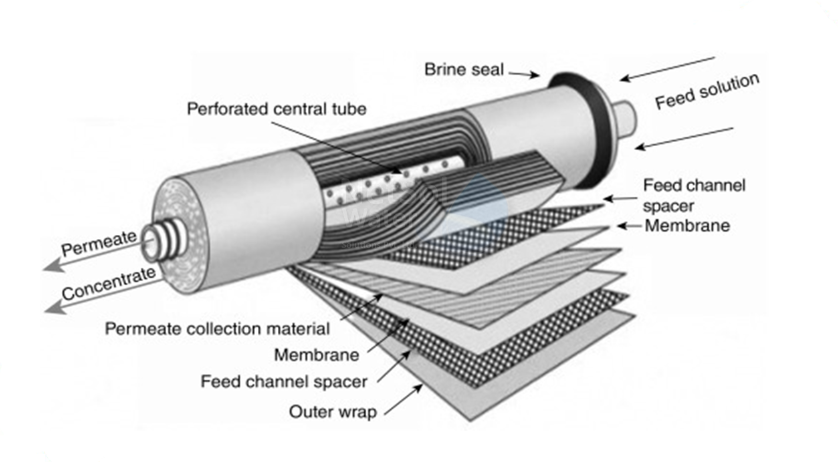
Considering it is possible to either run an RO without any brine and use 100% of the water or waste higher percentages of water and only use a fraction of the clean water generated, a consumer purchasing an RO needs to understand the expected lifespan of the membranes to know how much waste is appropriate for a given RO system.
Manufacturers can boost efficiency and list higher gallons per day by simply reducing the amount of wastewater. Although this will in fact increase permeate water created per minute or day it will decrease the lifespan of the RO system. When comparing the operational efficiency of various systems, it is important to ensure this metric is factored in.
Check with the manufacturer of any RO system prior to purchase regarding the recommended rejection rate for that system. We set most of our systems to reject 25% of the water being purified as that is generally the sweet spot to maximize water conservation and membrane utility.
DETERMINING THE BEST RO SYSTEM CONFIGURATION
On smaller RO systems components are often skid mounted to a fabricated metal frame. A bit of forethought regarding RO construction goes a long way when considering functionality and efficiency for end user preferences. It is important to ensure pressure vessels are easy to access when cleaning or replacing membranes. If the connecting tubing is too tight, kinking, bulky, or inflexible, it can cause extra work when servicing the unit.
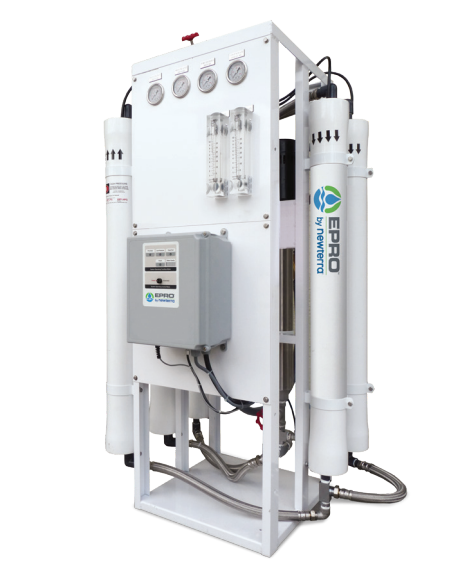
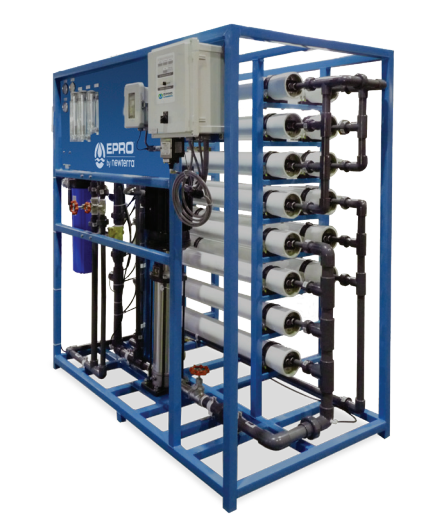
An RO system can have a vertical or horizontal configuration. Horizontal units are generally easier to access but take up a larger footprint. Vertical units are tightly packaged and therefore access can be limited. Making repairs and servicing membranes vertically is more difficult.
| Vertical Reverse Osmosis Skid Orientation | Horizontal Reverse Osmosis Skid Orientation |
 |
 |
When manufacturers attempt to do too much in what should be a simple compact RO system, the technology that is supposed to enhance functionality can make the unit challenging to work on and service. Water lines and electrical lines that are snaking throughout the compact unit are difficult to access. A failed sensor or leaking water line can require a significant time investment to fix and potentially cutting lines and replacing parts.
In summary, it’s much better to plan upfront regarding layout, operation, and maintenance as opposed to having to constantly assemble and disassemble your reverse osmosis water system to fix problems. RO technology is simple, let’s keep it that way.
WHAT ROLE DOES PLUMBING PLAY IN REVERSE OSMOSIS?
If a manufacturer correctly sizes the plumbing lines and uses quality materials for the installation everything lasts for years to come. If they choose to undersize the lines and compromise on quality we have seen increased instances of breakage, leaks, and repairs that could have been avoided.
Some manufacturers use Schedule 80 PVC, some use PEX, some use steel braided hose, some use Vinyl braided hose, some use brass solenoid valves, some use stainless steel, and some use polypropylene.
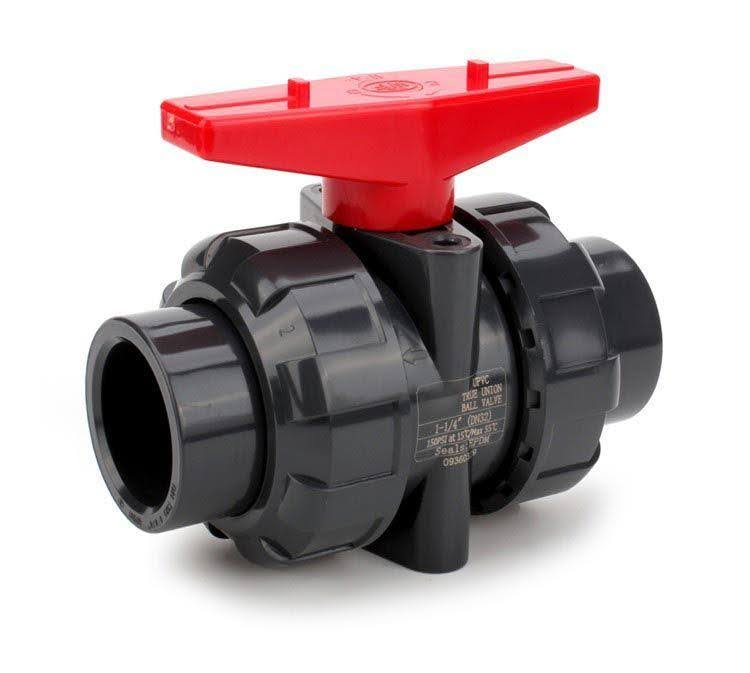
All the above can be okay in the correct setting but not all these options are the right fit all the time.
Our preference is for Schedule 80 PVC, high quality tubing and push-connect fittings where appropriate, either steel or poly solenoid valves, stainless steel pipe nipples around the pump to dissipate heat, and other high-quality component parts on the plumbing side. By only sourcing the finest components it’s easy to produce a substantially more reliable RO system at a not so inflated price point.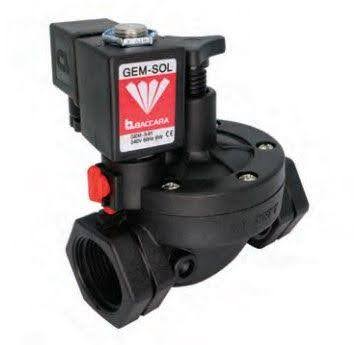
It’s also imperative to understand the flow of the plumbing to ensure repairs are not only easy but possible. We have seen RO systems that due to limitations in their design are nearly impossible to work on or repair. In some instances, it made more sense to throw out a relatively new RO and just purchase a more functional machine rather than make repairs.
Important plumbing features for RO water systems include:
-
Prefiltration ahead of membranes to collect solids
-
Schedule 80 PVC plumbing to reduce cracks and better handle high pressure
-
Push-Connect fittings and tubing for easy repairs and service
-
Liquid filled pressure gauges for pressure monitoring
-
Needle valves for quick adjustments and sight monitoring of system parameters
-
Pump configuration that dissipates heat and allows for easy pump access in the event of failure
-
Reliable flow control products such as flow meters, pressure transducers, and pressure differential sensors
-
A good balance of a small footprint that maximizes space to work on the system during repairs and maintenance
-
Preference for American Made parts
QUALITY OF WATER AND GEOGRAPHIC LOCATION IN RO SYSTEM SELECTION
Reverse osmosis water systems are manufactured in various places around the country. Sometimes it makes sense to purchase locally but we find it’s more important to purchase the right system rather than something sold regionally or by a company offering local service.
RO System Manufacturers & Locations:
-
Aquagation (California/Florida)
-
Axion (California)
-
Crystal Quest (Georgia)
-
Culligan (Illinois)
-
Diamond H2O (Wisconsin)
-
Growonix (California)
-
Newterra (Florida)
-
Pure Aqua (California)
-
Hyperlogic (California)
-
Hydrologic (California)
-
US Water Systems (Indiana)
Since most manufacturers do not manufacture their own parts and simply assemble them into RO systems, it is not necessary to be located near to their facilities for the purpose of service, spare parts, or technical assistance. Spare parts can easily be purchased and kept as backups since there are only a few parts that generally go bad. In the event of a failure most parts can be shipped next-day air and are small enough to fit in a small package for transportation and shipping.
The major companies involved in RO assembly have units in service all over the country and world. They don’t rely exclusively on local business to keep them alive. This is crucial to ensure you don’t purchase from a company that will not be around when you need something. One example of this would be Ideal-H2O, a private label brand started by Sunlight Supply. They sold systems for a few years before going out of business and leaving customers stranded.
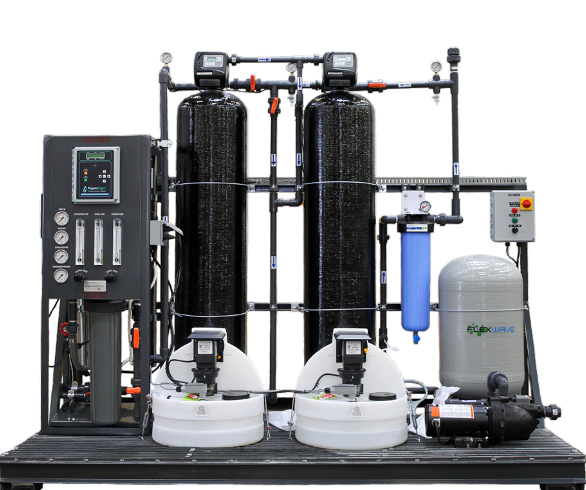
By understanding the size and annual sales for the company manufacturing your Reverse Osmosis system a consumer can predict the potential for that entity to remain solvent for years to come. One example is Hyperlogic/Hydrologic which is owned by a large parent company. They have been in business for many years and appear to have a future. That said, they are primarily focused on the cannabis industry which is a very narrow segment and currently experience contraction. Sales of Hyper-Logic reverse osmosis water systems have slumped in recent years and the high associated price tag has pushed potential buyers to more economic products that carry the same reliability and efficiency.
Water quality can play a role in determining which RO system to purchase. Well water and municipal water are totally different water sources and should be treated accordingly. If your farm is on US city water the process of filtering that water is very easy, and many add-ons can be removed. For example, antiscalants which are used to protect the membranes may not be required. Always get a water report (often available free of charge) to determine what will be required to properly purify the water.
SUMMARY
There are many options for farm owners looking to purify their irrigation water for crop production. Not all products are equal. Rather than waste time, energy, and money to determine which water system is best for your project, call the MORR technical team for a free review and suggestion. We take all variables into consideration and ensure the best water purification product is provided. By focusing on Return on Investment (ROI), we can custom tailor a machine to accommodate your needs and goals.
In a short meeting we can understand your project, the requirements of a system to meet the demand, and either build you a custom RO system or select from something readily available. Information is free, you only pay for products. Call or email today for a complimentary consultation on RO systems or any other agricultural grow equipment.

About
MORR Inc.
MORR Inc. is a wholesale commercial agriculture distributor for planting, growing, and farming located in Los Angeles, CA. MORR Inc. supplies top of the line wholesale commercial hydroponic systems, commercial grow systems, a wide selection of grow lights and automated control systems, nutrient rich soils and growing media, a large selection of specialized advanced plant nutrients for different plant life cycles, dosing and drip irrigation systems, high tech environmental meters and automated systems, fans, filters, plant pesticides, plant fungicides, automated crop management systems, general commercial grow facility supplies and services, plus much more!
Call- 1-310-967-2022