What is Sustainable Agriculture?
Sustainable AG
Commercial agricultural farming operations, whether indoors or outdoors, are starting to implement some of those “buzz words” that have been gaining in popularity; automated, precision-based, sustainable, regenerative agriculture,... 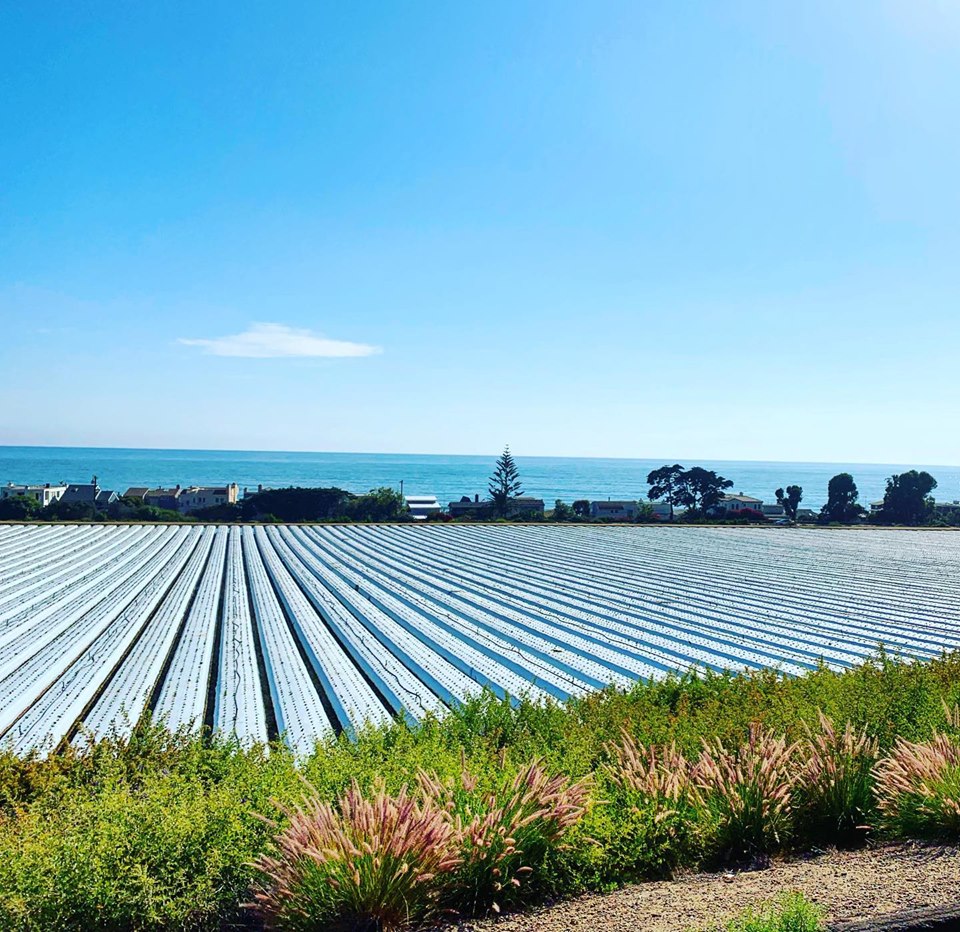
For those that do not know, the entire agricultural industry in general has an extremely large environmental and carbon footprint. Large-scale agricultural operations across the globe have been at least contributing to some aspects of climate change through carbon outputs, waste water, lack of water, water pollution, soil & land degradation, trash and waste removal, deforestation, etc.
As such, farmers and scientists have started to take sustainable agriculture a bit more seriously, researching and testing new methods to find out the best ways to adapt to the ever-changing environment along with an ever-growing human population.
What is Sustainable Agriculture?
To quickly sum up the definition of sustainable AG- sustainable agriculture is basically farming and growing with minimal resources while having little to no impact on the surrounding ecosystem, soil quality, or crops themselves. Sustainable agriculture is meant to safeguard future generations food supplies without sacrificing more natural ecosystem processes, extra resources, food quality, exposure to harmful plant and crop pesticides, or use of additional GMO products… Fortunately, there are a number of common sustainable agricultural processes that are easy to implement in most farming operations. Depending on how the farm is set up, will obviously contribute to which sustainable AG processes can be implemented easily. Some of these common sustainable agriculture common practices are - crop rotation, inter-cropping, cover crops, no till, drip irrigation systems, controlled grazing , and more.
Sustainable Agriculture- Common Practices
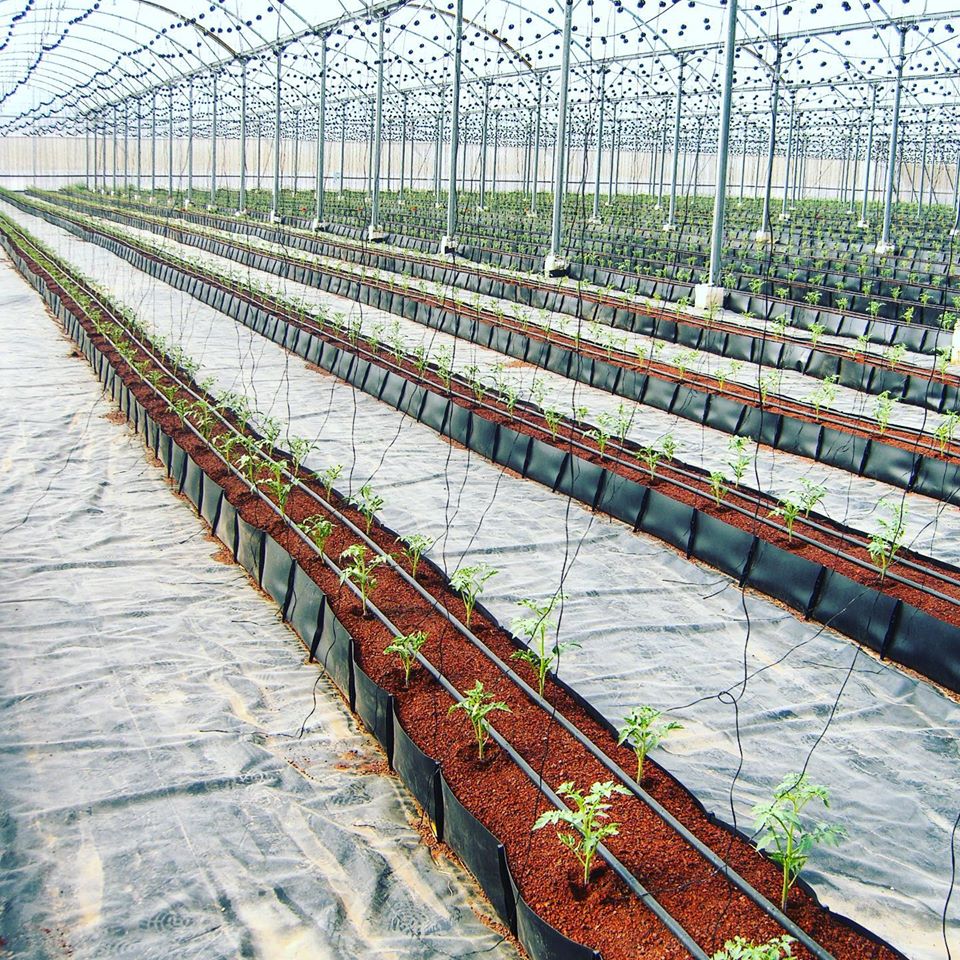 After years of research and testing, the following list below are some of the more common sustainable agriculture practices for commercial and industrial farms:
-Crop Rotation- planting different crops helps with managing pests while increasing soil quality.
-Inter-cropping- Growing different types of plants and crops in the same area increases soil quality, helps with keeping pests away, weed control, and increases overall crop output.
-Cover Crops- sometimes the use of cover crops is needed to help protect crops and/or soil. Cover crops are typically used to protect bare ore recently harvested fields, to replenish valuable plant nutrients back into the soil, maintain weeds, and more.
-No-Till Plowing/Tillage- by reducing the amount of times a field is tilled or plowed, there is less soil nutrient loss, soil degradation, and overall soil loss in general -Drip Irrigation Systems
- micro-irrigation and drip irrigation systems are a great way to manage, monitor, and deliver water and plant nutrients, especially in areas where water is in short supply.
-Crop Pest Disease & Crop Pest Control- farmers can utilize a wide range of natural and organic plant pest and plant disease control as part of a complete integrated pest management program. With proper planning and execution, farms can substantially reduce the amount of harmful chemical based pesticides, herbicides, and fungicides.
-Growing Crops with Livestock- in most commercial and industrial farming operations, livestock and crop production areas are located in different areas. In some cases, farmers will grow their crops and livestock “together” as to utilize manure as a fertilizer or natural soil amendment as to provide both plants and soil an abundance of nutrients.
-Agroforestry Integration- Farms can also benefit from some of agroforestry practices by using trees and shrubs to create “micro-climates” for plants and crops, to hold back land, prevent erosion, protect water resources, provide shade for animals, attract bees, and more.
-Controlled Grazing- this is the practice of rotating cattle and livestock to different areas for feeding purposes. This improves diversity in nutrient uptake, reduces chances for disease, and improves soil quality.
-Grow and Sell Local- by growing and selling local, a farmer is literally reducing the overall entire carbon footprint of their products from seed to sold.
Benefits of Sustainable Agriculture-
By growing utilizing newer sustainable AG best practices, both the environment and population worldwide would benefit tremendously. Some of the positives of using sustainable agriculture with commercial and industrial crop production systems are as follow- - Plants and crops grown on a sustainable AG farm are typically of higher quality and healthier for people. - Less exposure to crop pesticides, herbicides, and fungicides - Less exposure to synthetic plant nutrients - More exposure to naturally derived plant nutrients - Higher quality crops - Higher crop yields - Higher operational efficiency compared to commercial and industrial farming operations. - Less environmental impacts and drastic reductions in carbon footprints. - Reduces erosion and soil degradation - Increases soil biodiversity and overall soil quality
Sustainable AG vs. Traditional AG-
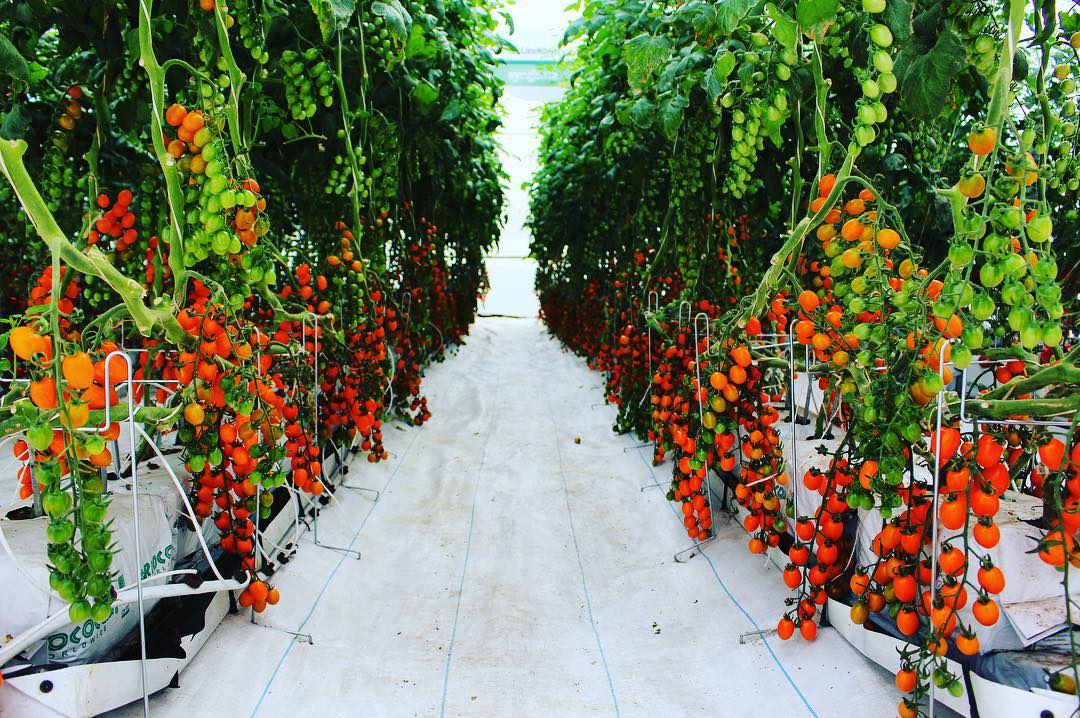 As sustainable agriculture farming processes are proven to increase crop quality and yields, reduce environmental and carbon footprints, improves soil quality for future generations, and contributes to the overall betterment and longevity of the farm and natural surrounding eco-system.
The question is- what would you rather eat? Food derived from genetically modified organisms(GMO) that are covered with toxic pesticides, herbicides, fungicides, and grown in soil that is largely deprived of natural nutrients for plants? Or- Food that is grown with sustainable AG best practices, of which, contains far more naturally derived nutrients and less pesticides, synthetic plant nutrients, and other toxic chemicals?
In most cases, the food we buy from the grocery store is produced and grown on large-scale industrialized farms. As such, a large percentage of food we consume is sourced from these industrialized farming operations where crops are grown on a vast and rapid scale, leaving our food supply full of products that are produced with high levels of synthetic nutrients, fertilizers, toxic AG pest control products, and genetically modified organisms.
Furthermore, industrial agricultural farming operations, in most cases, contribute a higher volume of multiple types of pollution, a higher rate in terms of the consumption of fossil fuels, and an overall increase in terms of carbon footprints when compared to a sustainable agricultural operation. As such, these facts are starting to play a huge role in how existing and new farms are designed, set up, managed, and/or retro-fitted for maximum efficiency, quality, and yields across the world. In short, many farmers have realized that traditional industrial AG is no longer feasible, especially when speaking in terms of planning for future generations and population growth.
Click here for more information on how MORR Inc. can help you implement some of the latest “buzz words” within a commercial greenhouse, indoor farm, hydroponic, or in-field farming operations- https://www.morr.com/services
About MORR Inc.-
 Wholesale commercial agriculture distributor for planting, growing, and farming. MORR Inc. supplies top of the line wholesale commercial hydroponic systems, commercial grow systems, LED grow lights, HPS grow lights, nutrient rich soils, growing media, a large selection of specialized advanced plant nutrients for different plant life cycles, high tech environmental meters, fans, filters, plant pesticides, plant fungicides, general commercial grow facility supplies and services, and much more!
Call to schedule an AG Consultation! 1-310-967-2022 https://www.morr.com

About
MORR Inc.
MORR Inc. is a wholesale commercial agriculture distributor for planting, growing, and farming located in Los Angeles, CA. MORR Inc. supplies top of the line wholesale commercial hydroponic systems, commercial grow systems, a wide selection of grow lights and automated control systems, nutrient rich soils and growing media, a large selection of specialized advanced plant nutrients for different plant life cycles, dosing and drip irrigation systems, high tech environmental meters and automated systems, fans, filters, plant pesticides, plant fungicides, automated crop management systems, general commercial grow facility supplies and services, plus much more!
Call- 1-310-967-2022