What Is Regenerative Farming?

Regenerative AG and Regenerative Farming: indoor, greenhouse, CEA, and in-field farming operations.
Regenerative Agriculture: Restoring the Land While Producing Yields
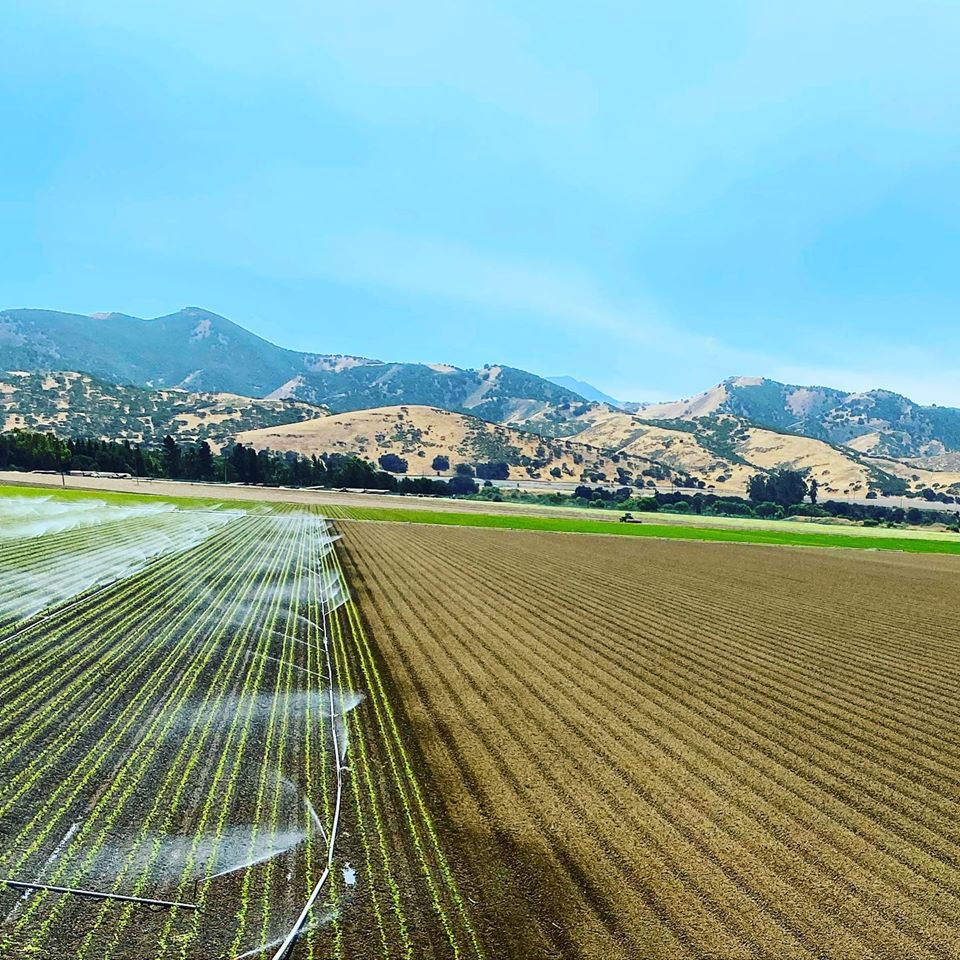 In the world of horticulture, the focus has shifted over the years to one that is beneficial to the environment and more eco-friendly without sacrificing yields and crop quality.
With a broader concentration of conservation and rehabilitation approaches that have key focuses, regenerative agriculture offers a wide range of techniques. No matter the scale of the operation, from small to large, there are techniques available to the grower to ensure minimal environmental impact.
The importance of this practice is monumental as the need for fertile land and growing space has grown to feed the ever growing world, with less land.
How Did Restorative Agriculture Come to Be?
The practice of restorative agriculture has its roots in several agricultural and ecological practices with a heavy focus on zero to minimal soil disturbances, along with the practice of composting waste material. Research into the practice began before the 1980’s with the term ‘restorative agriculture’ first coined in 1987. The term soon disappeared to only resurface a few years ago in an article published with the focus of combating climate change through agriculture. Ever since, this practice has been written about and has been a focus for both small scale, commercial, and industrial operations.
The Different Practices and Principles of Regenerative Agriculture
The whole concept of restorative agriculture stands on many pillars that support the practice and make it eco-friendly. Several of these pillars are a way of thinking and supporting of not only the operations, but the individuals, community, and other farms. Decisions are holistic in nature and express the value of contributions to the whole picture. From increasing soil fertility and improving the ecosystems found in the operation (soil, water, and biodiversity), restorative agriculture works to continuously evolve the agro-ecology and lower impacts of the operation.
| Practice | What is it? |
| Permaculture | Principle centered on a system of whole thinking, simulating, or utilizing observed natural features of ecosystems |
| Aquaculture | The practice of using fish and large water based tanks to grow crops wither floating directly in tanks or with piping water from the tanks and back. |
| Agroecology | The direct study of the relationship between agricultural crops and environment. |
| Agroforestry | A land use management system where larger plants such as trees and shrubs are planted around a growing area- typically seen in field grow operations |
| Cover Crops | The utilization of a secondary crop to preserve soil to prevent runoff and add nutrients to the soil. |
| Polyculture/ Full Time Succession Planting | The growing of more than one type of crop at the same time and place to imitate natural diversity of ecosystems |
Benefits of Regenerative Agriculture
The largest part of regenerative agriculture is that the soil and land is preserved and improved as it regenerates and revitalizes the soil and environment. This practice leads to healthier soils that are fully capable of maintaining high quality yields that are nutrient dense and healthy. This dynamic and holistic approach incorporates many organic and eco-friendly practices such as no-till, cover crops, crop rotation, polyculture, and more. This approach is able to decrease greenhouse gas emissions, improve yields, create a soil that can resist the strains of drought, and improve nutrition.
Practical Ways to Improve Environmental Impacts In the Commercial Operation
A commercial greenhouse can make small changes that have major impacts on reducing their footprint on the environment. An operation doesn’t need to make a full switch to organic practices to make a major change.
Most facilities simply can not afford to switch everything over all at once. The idea of restorative agriculture is that methods reduce the impact on soil, water, and waste used and generated. Many of the ways a greenhouse or a farm can reduce their footprint, can overall save on inputs and overall costs of the growing season. Using drip irrigation for example instead of sprayers or flood trays, can reduce water usage significantly as well as energy used to distribute water. Making a switch to coco coir or other natural growing media reduces the waste generated at the end of a growing season. Instead of filling a landfill, a grower can develop a compost pile and recycle media over time giving nutrients to future crops.
Moving away from traditional practices in a greenhouse, can bring with it the benefit of better practices. When making the decision to switch to more eco-friendly practices to go with the restorative agriculture movement, it is important to consult with other experts to give a second eye.
MORR Inc. has operators and agronomists that are experienced in the field with combined decades of experience. From installation, conversions, maintenance, and more, the commercial greenhouse can be rest assured that the experts at MORR Inc. are ready to make any change a breeze. Click here to find out more about MORR Inc.'s commercial greenhouse, indoor farm,CEA, Hydroponic, Aeroponic, AG farm design and construction services
About MORR Inc.
 MORR Inc. is a wholesale commercial agriculture distributor for planting, growing, and farming located in Los Angeles, CA.
MORR Inc. supplies top of the line wholesale commercial hydroponic systems, commercial grow systems, a wide selection of grow lights and automated control systems, nutrient rich soils and grow media, a large selection of specialized advanced plant nutrients for different plant life cycles, dosing and drip irrigation systems, high tech environmental meters and automated systems, fans, filters, plant pesticides, plant fungicides, automated crop management systems, general commercial grow facility supplies and services, plus much more! Call to schedule an AG Consultation! 1-310-967-2022 https://www.morr.com

About
MORR Inc.
MORR Inc. is a wholesale commercial agriculture distributor for planting, growing, and farming located in Los Angeles, CA. MORR Inc. supplies top of the line wholesale commercial hydroponic systems, commercial grow systems, a wide selection of grow lights and automated control systems, nutrient rich soils and growing media, a large selection of specialized advanced plant nutrients for different plant life cycles, dosing and drip irrigation systems, high tech environmental meters and automated systems, fans, filters, plant pesticides, plant fungicides, automated crop management systems, general commercial grow facility supplies and services, plus much more!
Call- 1-310-967-2022