Want Healthy Crops? The Key is in the Nutrients!

Plant Nutrients
When asked what a person needs to be healthy, many can easily describe the best diet and routine for said person. However, when we look at plants, sometimes this can be confusing. Most know that the main requirements to keeping a plant growing and thriving is water, sunlight, and a good place to grow.
Looking at overall plant health and maximum yields, there is more to the story than just those three simple things. Since plants are photosynthetic, they have not adapted to moving to a new place to get proper nutrients and other needs. Instead, they produce their own energy through the process of photosynthesis, respiration, and uptake of nutrients from the soil. It is important to note that you can give a plant the perfect amount of sunlight, and adhere to the watering schedule of a true horticultural saint, to only have a plant not grow or simply wither away. The key is in the soil.
Plant nutrients are essential to a commercial grower due to the impact nutrients have on plant growth. If plants in a commercial grow house are lacking in even the smallest nutrient, the plants will not grow to their full potential. Knowing the types of nutrients and the signs of a deficiency, will ensure proper diagnosis and the end to a potential devastating crop loss.
The Types of Plant Nutrients
Just like a person, a plant needs nutrients through many avenues. These nutrients can be classified based on where the plant receives them and the quantity of the mineral needed. There are sixteen essential nutrients and minerals needed by a plant throughout its lifecycle. Of these sixteen, thirteen are controlled by the grower directly- called mineral nutrients. The three remaining nutrients are provided through the atmosphere with the plant obtaining these through their natural processes such as photosynthesis. If a plant lacks these three, fertilizers can be applied to help supplement.
These minerals and nutrients are classified as macronutrients, secondary nutrients, and micronutrients. Macronutrients are the nutrients needed by a plant in large quantities (macro meaning large). Micronutrients are those that a plant requires, but only in small amounts (Mirco meaning small). The secondary nutrients are those that a plant needs on a large scale, but not to the level of macro. Even if a plant is lacking in a single micronutrient, it will still affect the growth of a plant. This is known as the Law of Minimum. Although, we classify the nutrients and minerals in these categories, truly there is no nutrient lesser than the other as all drive crop performance and yields.
In the next section, each nutrient and mineral is broken down on the importance and signs a plant is lacking. Each nutrient and mineral is listed in the categories of Macro-, Micro-, and Secondary Nutrients in alphabetical order. Also included are select products to help solve a deficiency that may be present in your crops. These wholesale plant nutrients are all provided by MORR Inc..
Macronutrients:
| Mineral: Nitrogen |
| Elemental Symbol: N |
|
When a plant is lacking nitrogen there are key signs of the issue. When a plant grows poorly and exhibits chlorotic leaves (yellowed) starting on the lower (older) leaves and gradually progressing through the younger leaves the plant is most likely lacking nitrogen. Due to nitrogen being essential to chlorophyll, the plant loses the pigmentation as chloroplasts are destroyed. Older leaves exhibit the symptoms first due to the plant sacrificing the nitrogen stored in these for the health of younger more lively leaves. Essentially the plant cuts losses on older leaves for the future leaves to develop for the long haul. |
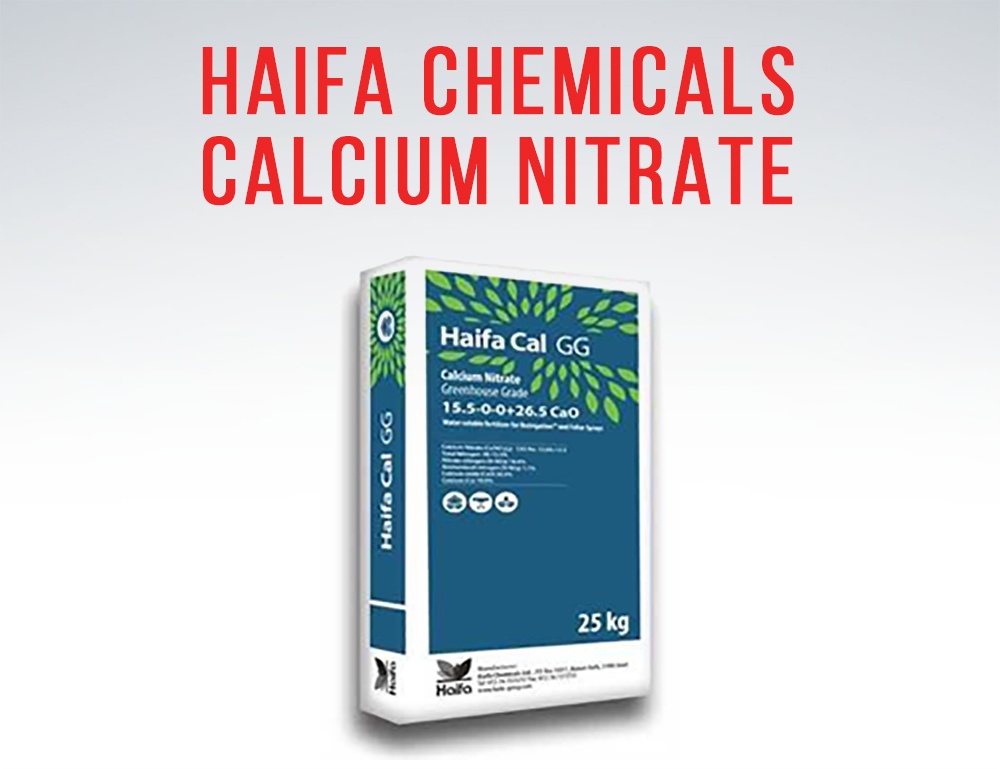
| Have a deficiency? MORR Inc. can help! https://morr.com/fertilizer-nutrients-additives/npk/haifa-chemicals-calcium-nitrate-greenhouse-grade-50-pound.html |
| Mineral: Phosphorus |
| Elemental Symbol: P |
|
|
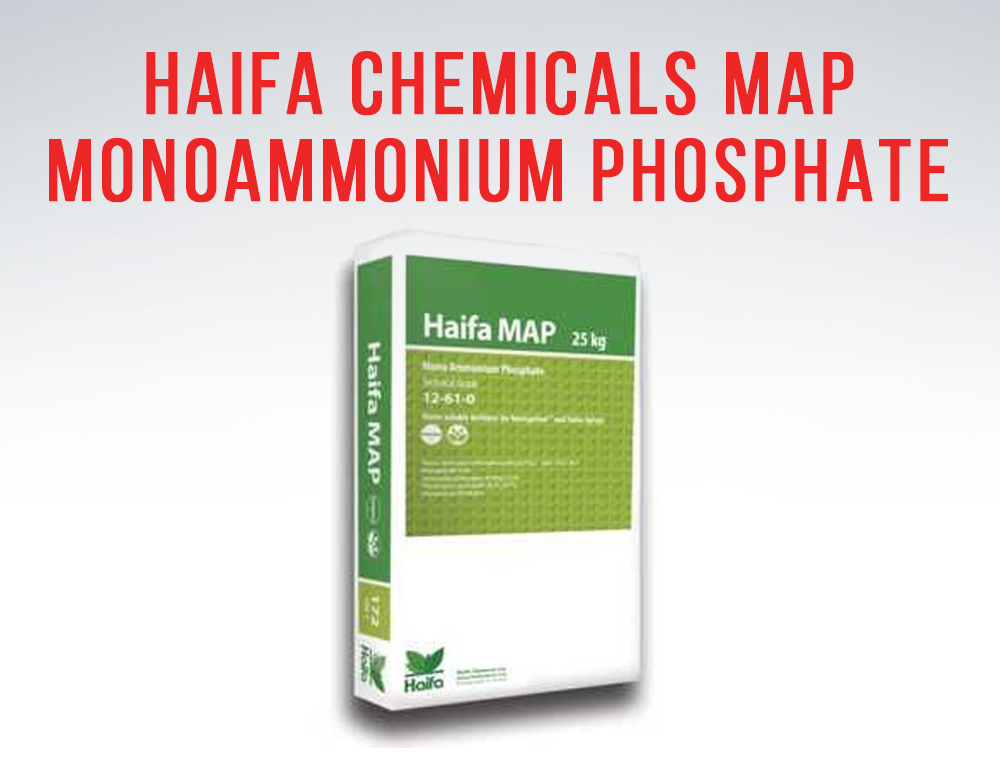
| Have a deficiency? MORR Inc. can help! https://morr.com/fertilizer-nutrients-additives/npk/haifa-chemicals-map-monoammonium-phosphate-soluble-grade-12-61-0-50-pound.html |
| Mineral: Potassium |
| Elemental Symbol: K |
Potassium is a macronutrient and is essential in proper photosynthesis in plants. This mineral ensures proper opening and closing of a plant’s stomata on the underside of leaves. This mineral is essential for the uptake of Carbon-dioxide or CO2. Not only does this mineral regulate the uptake of CO2, it also regulates the activation of enzymes in Adenosine Triphosphate (ATP) or energy in the plant. Potassium is a key ingredient in fertilizers alongside nitrogen and phosphorus. In the instance of a plant lacking in potassium, it will show tell tale signs that action needs taken to ensure proper growth. Leaves of plants will exhibit the majority of symptoms with brown/scorched leaf edges, curling tips, chlorosis or yellowing of the leaf veins, and occasionally purple spotting on the underside of a leaf. |
Secondary Nutrients:
| Mineral: Calcium |
| Elemental Symbol: Ca |
|
When a plant has a deficiency the first sign of the issue is a localized necrosis of tissue in the edges or margins of younger leaves. The leaves may also curl and eventually lead to the death of terminal buds and root tips. Younger or newer tissues on a plant are the first affected due to excess storage of calcium in older plant tissues. By performing a soil test, a grower can evaluate levels in the soil. Even if a soil has high levels of calcium, the available calcium for the plant may be low. An application of limestone or gypsum can resolve calcium. Limestone should be used in soils that are acidic as it will increase the alkalinity in a soil aiding in most vegetable crops’ growth. |
|
Have a deficiency? MORR Inc. can help! |
| Mineral: Carbon |
| Elemental Symbol: C |
|
When a plant has low carbon-dioxide levels, the growth of the plant is stunted or slowed. The plant will absorb less nutrients and water. This is due to decreased productivity levels of ATP (energy) with lacking photosynthetic action in the plant. When a plant is unable to produce the energy and sugars needed to survive, growth slows as the plant makes up for the decrease in nutrients and essential water for growth. |
|
Have a deficiency? MORR Inc. can help! |
| Mineral: Hydrogen |
| Elemental Symbol: H |
|
When a plant is deficient in hydrogen, it is typically an issue with water uptake or the opening of stomata. Plants will have a decrease in the efficiency of photosynthesis leading to decreased growth and smaller plant sizes. Symptoms follow similar lines to Carbon deficiency. By increasing aeration of the soil, water will have more space to enter the soil. This should increase your hydrogen to solve the deficiency. Be sure to water a few days before aeration as damp soil increases the efficiency of the practice. |
| Have a deficiency? MORR Inc. can help! |
| Mineral: Magnesium |
| Elemental Symbol: Mg |
|
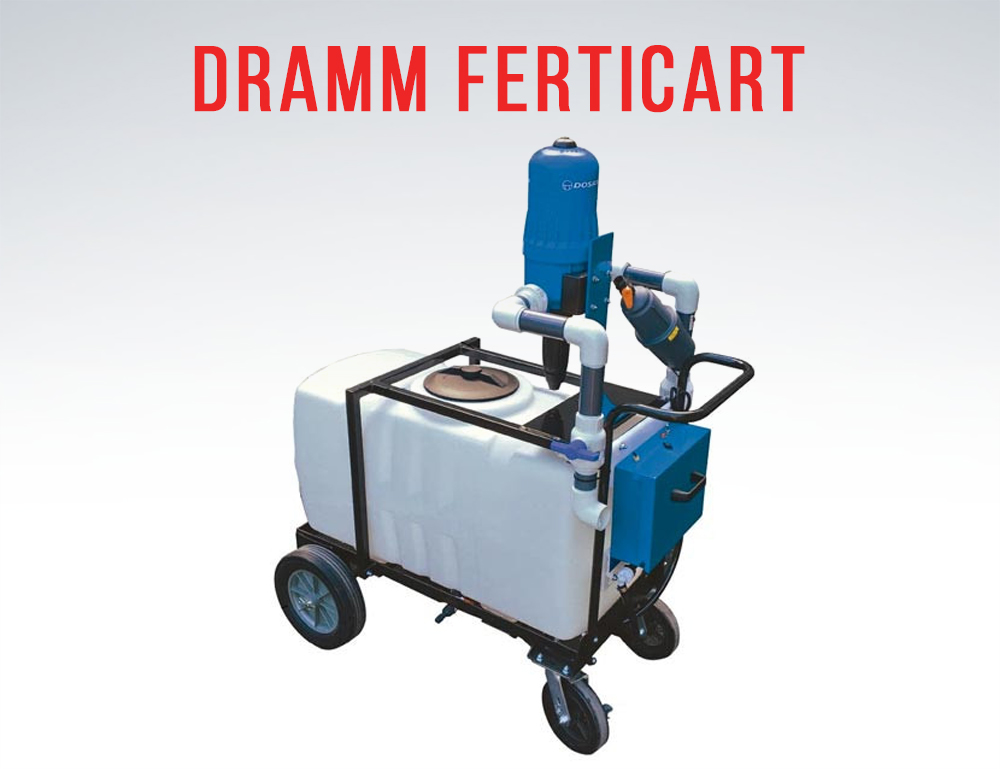
Overall, a plant’s growth will be greatly slowed as the energy production in the plant has essentially been halted. The severity of the symptoms of a Magnesium deficiency is dependent on the amount and intensity of the plant’s exposure to sunlight. |
| Have a deficiency? MORR Inc. can help! |
| Mineral: Oxygen |
| Elemental Symbol: O |
|
A key indicator that a plant is having oxygen issues, is the sign of mushy or brown roots. This leads to a condition in plants called root rot. Roots should be white and firm. The leaves of a plant will droop and go from green to a yellow. Plants will also show a decrease in growth and productivity as the energy they produce in photosynthesis can not be broken down. Aeration of the soil can help solve the issue of decreased oxygen levels in plants. Aeration increases the pockets in soil to trap oxygen. This stores oxygen for use by the roots. |
| Have a deficiency? MORR Inc. can help! |
Micronutrients:
| Mineral: Boron |
| Elemental Symbol: B |
|
When a plant is deficient in Boron, this can lead to tell-tale signs in the crop being grown. Branches and new growth of the plant typically become distorted, brittle, and thick. The tissue is easy to break and damage. Upper portions of growth in a plant will also have scattered yellowing or chlorosis in the leaves leaving a mosaic of greens and yellows. Treatment of Boron deficiency can be done through application of a liquid solution of Boron and water. Care must be taken in ensuring correct application of the solution as too much Boron is highly toxic to plants. |
| Have a deficiency? MORR Inc. can help! |
| Mineral: Chlorine |
| Elemental Symbol: Cl |
|
A lack of Chloride can cause a range of signs in a plant. Wilting can be a sign of a deficiency as it is caused by a decrease in efficiency of the plants internal highway system throughout all parts of the plant. It becomes restricted due to high branching in the root system leading to stubby root tips. Leaf mottling can be seen in plants with a chloride deficiency through chlorosis or yellowing of the leaves. A grower needs to be aware that chloride is essential to a plant, but it is needed in small amounts. Applying too much chloride can lead to toxicity in plants. A grower should research the specific needs of their crop and variety to ensure proper application. Chlorine can be added through water treatments and integrated into the water supply. |
| Mineral: Copper |
| Elemental Symbol: Cu |
|
When plants are lacking in copper, the leaves have a chlorosis of the entire leaf or in between the leaf veins. As chlorosis is a common symptom of a nutrient deficiency, a soil test will help in diagnosis of the specific lack of nutrient. |
| Mineral: Iron |
| Elemental Symbol: Fe |
|
When a plant is deficient in iron the most common symptom is chlorosis of the leaves. The tissues of the plant leaves turn a yellow, but the veins in the leaf will stay green. This yellowing will start at the leaf tips and work its way through the leaf eventually turning the whole leaf and veins yellow. Other signs of an iron deficiency are slowed or poor growth and leaf loss. There are rare instances where iron is actually low in the soil. The problem lies in other soil conditions. A soil’s pH may be too basic or high or have high amounts of phosphorous. The soil type also plays into the ability of a plant to get the iron from the soil. A soil that is high in clay will show plants with iron deficiencies. This is due to clay’s compaction and slow drainage of water. A pH test as well as a soil texture test can give you the answers to whether or not iron is the issue of a plant’s health problems. If the soil is too low in drainage, a grower can add soil amendments to increase drainage of the soil. pH can also be lowered by using additives in the soil. |
| Have a deficiency? MORR Inc. can help! |
| Mineral: Manganese |
| Elemental Symbol: Mn |
|
When a plant is deficient in Manganese, the plant will mimic signs of an Iron deficiency. This is due to the interveinal chlorosis (inner vein yellowing) of the plant on young leaves. The leaves will also have sunken spots that appear in the yellowed parts of leaves. A plant’s growth may also appear stunted and slowed. Treatment of a manganese deficiency can be done through a water soluble fertilizer that has the low levels required for manganese. Caution should be taken in the application as manganese can be toxic to plants in high levels. |
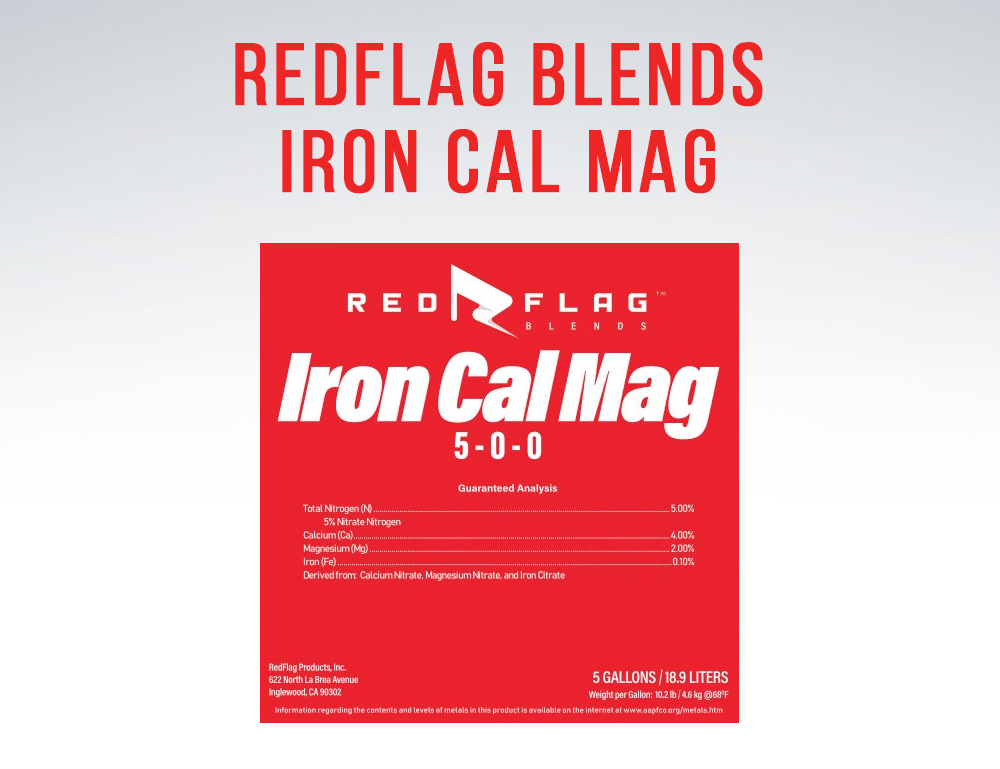
| Have a deficiency? MORR Inc. can help! https://morr.com/fertilizer-nutrients-additives/chelates-and-micronutrients/khemical-iron-cal-mag-5-0-0-5-gallon-36-plt.html |
| Mineral: Molybdenum |
| Elemental Symbol: Mo |
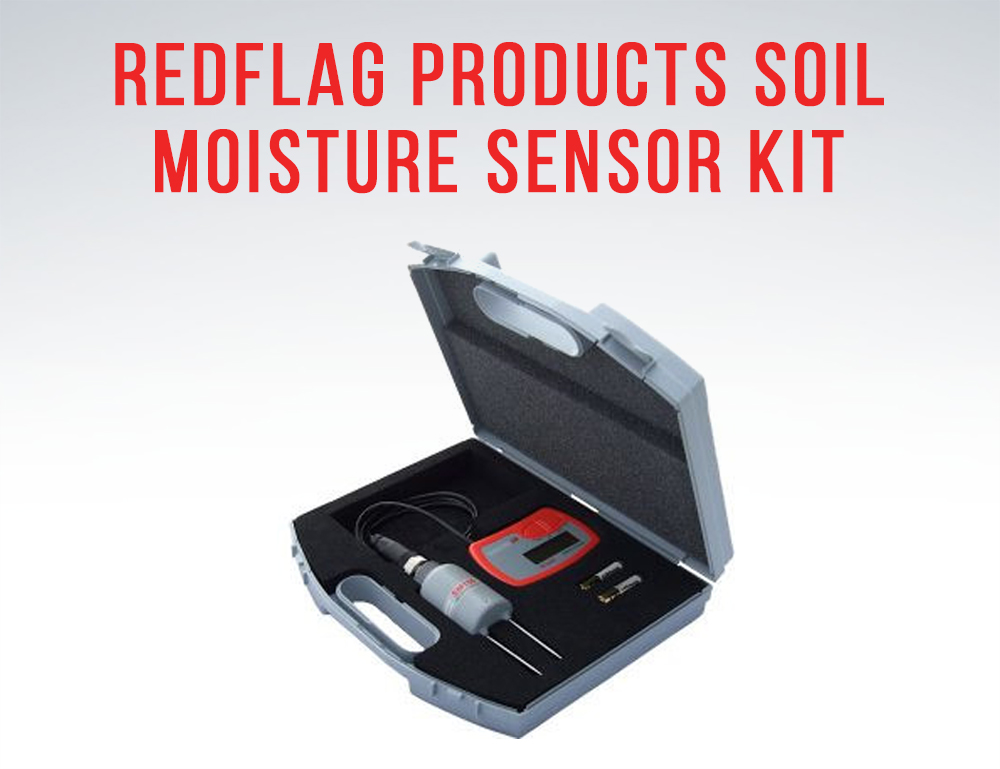
| Molybdenum is very important to all life from plants to every animal in between. This mineral is essential for regulating nitrogen, oxygen, and sulfur cycles within a plant. Although a plant needs very low levels of Molybdenum, it is essential in the processes of nitrogenase and nitrate reductase. Plants receive Molybdenum from the soil and it is because of this a grower can apply manganese to a crop field or area. Molybdenum deficiencies in plants are typical of high amounts of nitrate in an affected plant part. This is in part of a reduction in nitrate reductase activity. In a plant with this deficiency, symptoms include interveinal and marginal chlorosis and a scald of the leaves. This scald looks like the leaf tips are burned. Molybdenum is found in fertilizers and can be applied. Attention needs to be given to the pH levels of a soil as decreases in pH the mineral becomes unavailable for use by the plant. |
| Mineral: Sulfur |
| Elemental Symbol: S |
|
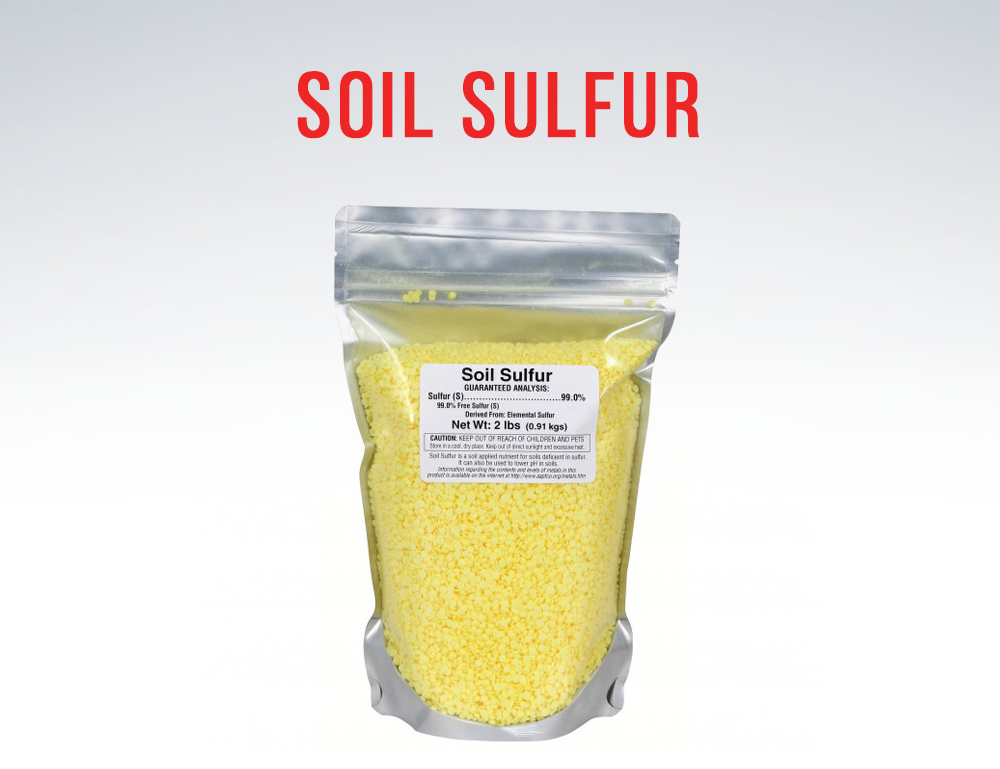
Sulfur is regarded as a micronutrient meaning it is needed in small amounts. Even though it is a mineral needed in small amounts it is essential to the health of a plant. Sulfur assists the plant in the formation of essential enzymes and proteins. A lack of Sulfur leads to serious health problems and a loss of overall vitality. Typically plants only need around 10-30 pounds of sulfur per acre. It acts as a conditioner in the soil and helps reduce sodium levels.
|
| Have a deficiency? MORR Inc. can help! |
| Mineral: Zinc |
| Elemental Symbol: Zn |
|
Zinc is classified as a micronutrient meaning it is needed in small amounts. This metal is essential in plant growth and development as it plays key roles in enzymes and proteins within the plant cells. Additionally, Zinc is involved in growth hormone production and internode elongation. Zinc is one of the most common deficiencies in plants across the world. A deficiency in this element plays a role in crop yield loss, and the overall human health crisis around the world. When a plant lacks nutrients, the person eating the plant will not get the nutrients as they should. This leads to deficiencies for people as well regardless of how much they eat of the crop. If it is missing in the plant’s system, it will be missing in the person’s diet.
|
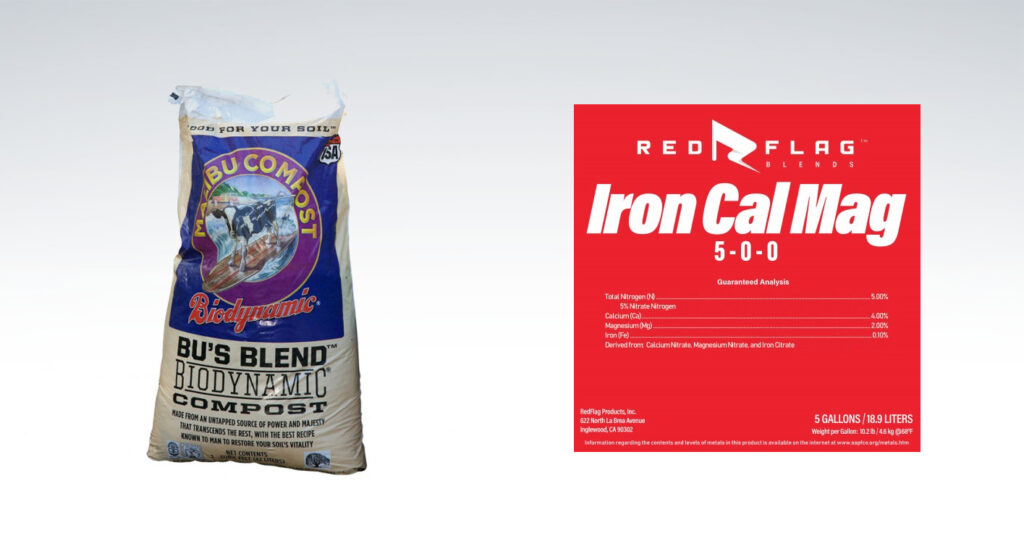
As a reminder, a grower needs to be aware of all growing conditions of a plant and crop. Knowing the crop and growing requirements will ensure that an issue can be spotted quickly. This will decrease the damages done by a deficiency in the crop. MORR Inc. is proud to provide quality products like organic plant nutrients, as well as informative articles to assist in all your growing needs.

About
MORR Inc.
MORR Inc. is a wholesale commercial agriculture distributor for planting, growing, and farming located in Los Angeles, CA. MORR Inc. supplies top of the line wholesale commercial hydroponic systems, commercial grow systems, a wide selection of grow lights and automated control systems, nutrient rich soils and growing media, a large selection of specialized advanced plant nutrients for different plant life cycles, dosing and drip irrigation systems, high tech environmental meters and automated systems, fans, filters, plant pesticides, plant fungicides, automated crop management systems, general commercial grow facility supplies and services, plus much more!
Call- 1-310-967-2022