Starting Your Grow Season: Tips on Seed Germination
Seed starting: getting off on the right root
Seed starting is an exciting time for a grower as it signals the potential for a good growing season with great yields. After selecting the seeds to grow, it is important to start the plants in appropriate conditions. In a commercial greenhouse, a grower needs to be attentive to the needs of their grow areas. By starting seeds correctly, the grower opens the door for great opportunities. Attention should be given to ensure proper soil, correct pots, adequate water given in the best manner, and effective use of grow lights.
What type of garden soil should be used?
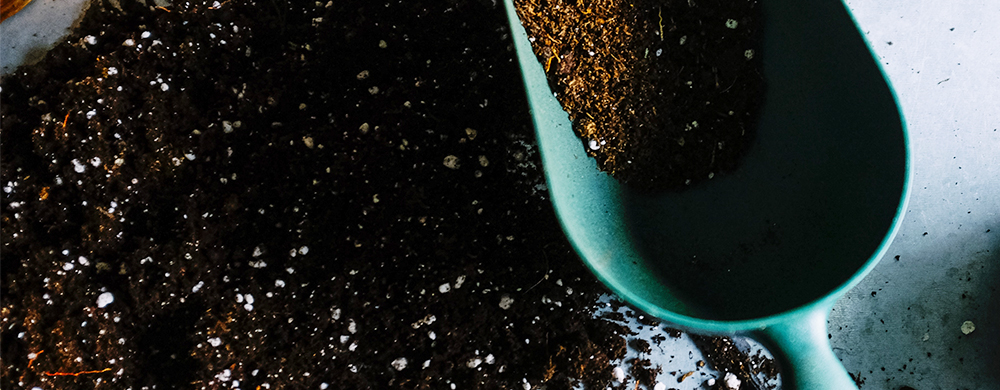 Although many may believe that soil is soil, there is a big difference in the type needed at different stages of plant growth. Advanced plant nutrients, moisture retention, and aeriability are important for efficient seed starting and seedling production.
There are several varieties of soil and growing medium that can be used throughout a plant’s growing cycle. Each have their benefits when used at the right time. When seedlings are germinating the plants are very delicate and require not only a gentle hand, but also a gentle growing environment.
The growing medium must be kept moist, but not overly wet, and the temperature warm. A growing medium ideal for this is organic potting soil labeled for seed starting. When using normal potting soil or soil directly from your garden, seedlings are unable to get a good start as the soil is heavy and easily compatible. The proper seed start growing medium is one that is light-weight, retains water, and contains the right amount of fertilizers to jump start growth. Once the seedlings get stronger, a different soil can be used.
What type of pot is needed for seed starting?
As mentioned previously, as they germinate and sprout seedlings are very delicate. Typically, unless a plant is a bulb, seeds are not started in pots, but rather trays. Seed starting trays also take up valuable greenhouse space, so the proper tray can save space and material usage while still providing seedlings with optimum growing conditions conducive to growing. Seed starting trays are shallow and come in many different designs depending on the seed being planted. Trays can be divided into cells or completely bare for a large cell space.
Divided trays are ideal for larger seeds as these are easy to place in propagation/germination trays. Smaller seeds, or those that are planted through broadcast, should use the open trays without cells as this is an ideal growing area. It is important to research the specific needs of your plants and the proper depths to plant seeds. A good rule of thumb is the larger the seed then the deeper the planting. Referencing the seed packet before planting will provide the grower with the accurate depth to plant the seeds.
How should seedlings be watered?
Seedlings that have just sprouted have very small root systems. It is because of this that watering must be done with care. Using pressures that are too powerful will un-root seedlings and cause stress to the plant that could result in the loss of the uprooted plant. Growers should have mist systems or nozzles for hoses to provide a gentle mist to water seedlings.
Once seedlings have established their root systems, a shower setting on a watering system can be used. An easier method of watering to avoid the strain of above water is the use of a flood watering system that allows soil to absorb water from the bottom. This eliminates the possibility of uprooting seedlings and allows for equal distribution of water throughout the soil in the trays. Traditional watering through a sprayer system or hose nozzle may leave some areas with less water than others. The choice between the types of watering techniques should be based on the wholesale grower’s personal preferences as long as the pressure requirements are met.
Commercial Grow Lighting Systems and Grow Lights for Seed Starting
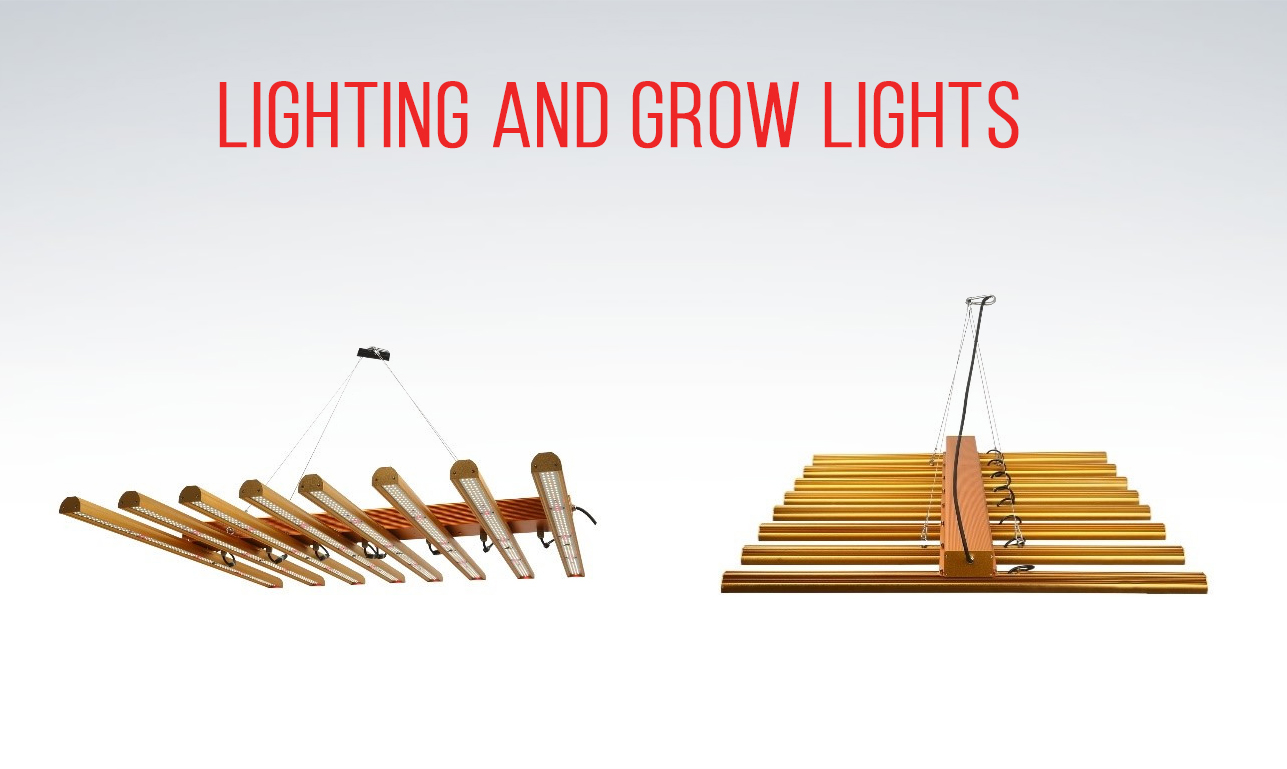 When requirements are met for containers, soil, and water, a grower then needs to focus on lighting the grow area. Lighting in a grow area is very important as it provides the UV rays plants need to produce energy in the process of photosynthesis. If the lighting is not strong enough, or there is not enough light, plants will fight for the rays causing decreased growth of some seedlings and spindly growth of others.
Knowing the correct spacing and height of the grow lights is essential in ensuring seedlings get started with a solid foundation. As a general rule, all green plants require light to perform photosynthesis. Plants will vary in how much light they require in order to thrive. Some plants require shade or low light while others require high light. Be sure to reference the growing requirements specific to your wholesale crop. A grow light is measured in lumens.
The higher the lumen rating then the higher the brightness of the light. Intensity of the light describes the amount of light that actually reaches the surface over a distance. Intensity can be controlled through increasing and decreasing either lumens or height from plants. Duration of the light source determines the length of time that a plant is exposed to the light. Plants that are photosensitive require strict durations of light. For plants that are not photosensitive, exposing them to around 16 hours of light and 8 hours of rest will be sufficient.
The color of the lights also plays a key role in the performance of the grow light for providing the right amounts of UV. Seedlings require high amounts of bright light. Not receiving enough light will cause the seedlings to grow weak and ‘leggy’. As seedlings grow, a grow light can be raised to keep the right amount of space between light and leaves. There are several different types of grow lights to choose from including LED, fluorescent, and incandescent. Of these three, the best are LED grow lights. LED grow lights use roughly half the electricity of traditional lights and give off very little heat.
Even though they use less electricity, they still provide the correct amount of lumens needed for seedling starting. Knowing the proper requirements of starting seeds ensures that the commercial grower can get the season started right.
By taking measures to ensure plants get everything they need, yields and crop schedules can be maintained. All aspects of a plant’s environment should be monitored and controlled to the ‘perfect’ settings. Happy plants mean happy wallets. Taking preventative measures in a wholesale greenhouse or nursery will surely pay off in the long run.
Read more about commercial LED grow lights here - https://www.morr.com/news/how-to-pick-the-best-led-grow-lights/
About MORR Inc.-
 Wholesale commercial agriculture distributor for planting, growing, and farming. MORR Inc. supplies top of the line wholesale commercial hydroponic systems, commercial grow systems, commercial LED grow lights, HPS grow lights, nutrient rich soils and growing media, rockwool, a large selection of specialized advanced plant nutrients for different plant life cycles, high tech environmental meters, fans, filters, plant pesticides, plant fungicides, general commercial grow facility supplies and services, and much more!

About
MORR Inc.
MORR Inc. is a wholesale commercial agriculture distributor for planting, growing, and farming located in Los Angeles, CA. MORR Inc. supplies top of the line wholesale commercial hydroponic systems, commercial grow systems, a wide selection of grow lights and automated control systems, nutrient rich soils and growing media, a large selection of specialized advanced plant nutrients for different plant life cycles, dosing and drip irrigation systems, high tech environmental meters and automated systems, fans, filters, plant pesticides, plant fungicides, automated crop management systems, general commercial grow facility supplies and services, plus much more!
Call- 1-310-967-2022