PH Control in Dosing Systems

PH Control in Dosing Systems
PH control for large farms and commercial grow operations- irrigation/ drip irrigation, dosing & fertigation systems, hydroponic operations, reservoir tanks, mixing tanks, drain management systems, soil and grow media, etc.
The Ups and Downs of pH and How to Control Them in a Dosing System
A common method in the commercial horticulture industry for the use and control of fertilizers is through fertigation. Fertigation is where fertilizers are integrated in through an irrigation line directly to the plants being grown. The pH of the irrigation water is very important as it will affect the important chemical reactions a plant needs to undergo to be effective. The control of pH in a fertigation system to an optimum level is to allow for the full uptake of nutrients and to keep the irrigation system free from pesky clogs. In the growing of crops, the commercial grower needs to control all aspects of the plants’ environment. This ranges from temperature, water availability, humidity, nutrients, lighting, and most importantly pH control. pH is the acidity or alkalinity of soil or the growing media. Ph ranges on a scale of 0-14. 0-6 is an acidic concentration and a range of 8-14 is basic or alkaline. A reading of a 7 is neutral. pH is essential in many plant processes and will contribute the most to deficiencies.
Nutrient availability is impacted by 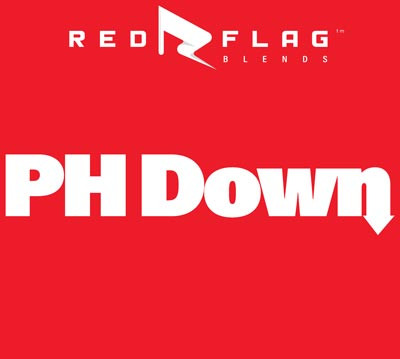 pH. When the pH is too acidic or low, the micro-nutrients in the media or solution become more available letting the plants uptake the micro-nutrients in large doses. It should be a goal of the commercial operator to maintain pH levels throughout the crop’s entire life cycle. This can often be a difficult task to the unprepared grower as levels fluctuate throughout the growing season based on several factors. Not only is the control of pH essential for optimum plant growth, it is also important for the reduction of clogging on emitters in an irrigation line. When the fertilizer and minerals precipitate in a solution, the precipitates collect on the system emitters and overtime will clog the system. The pH of the solution will determine whether the precipitation will occur.
It also depends on the overall composition of the solution and the concentration of the elements in the plant nutrient mix. A ph that is higher than a 6.0 with a high EC may lead to the precipitation of calcium and salts- the top minerals that may clog a system’s emitters. Clogs so happen however at the end of a season even with precautions of pH control, so checks should be conducted to evaluate the efficiency of solution delivery.
Control of pH in Fertigation Systems
 Any control of pH in a fertigation system is done directly through the irrigation line and water supply. The injection of acids to the irrigation water should be done in a uniform and controlled manner to the best of the growers ability. In an automated control fertigation system, problems arise when an acid is too concentrated in the tanks. This results in fluctuations of the pH in the nutrient solutions.
The pH will lower and rise sharply while the controller tries to stabilize the pH to desired levels. In a fertigation system without a control, the uniformity of the pH can be achieved by adjusting the injector flow rate in relation to the volume of the acid in the solution. The use of automated drip control systems is becoming commonplace in the commercial horticulture industry.
The simplest drip irrigation system includes devices and tools such as pressure regulators, filters, tubing, and emitters. The use of these systems greatly improves control and uniformity in water distribution and nutrients between the plants located in the line. The risk of clogs can be reduced and even eliminated through the proper cleaning and flushing of the lines. This is done through using cleaners and timely maintenance of filters and emitters.
Flushing of the lines are important in order to control pH and overall health of the irrigation system. In a water system, there are two main reasons for flushing. When flushing a line an operator is either trying to rid plants of excess nutrients from build up or cleaning the system.
The major difference between cleaning and ridding of nutrients is all in the timing of the flush. Plant flushing occurs along a crops growing cycle, while cleaning occurs in between growing seasons or crop cycles.
The flushing of a system in between crops is an excellent way to maintain clean and sanitary lines for crops so that disease and pathogens do not cross to the next generation of plants in the system. Another reason is that nutrient levels in water can be checked, but in the media the plants grow in, it may be harder to determine.
By flushing the lines, a grower can determine what nutrients pre-exist the crop while minimizing contamination and possible taste and health problems of the crops. When determining the best course of action a grower needs to determine the condition of the grow media, reservoir, pump, feed lines, and drip emitters. Controlling these aspects will help in the control of pH and other important growing factors in the commercial greenhouse that are key in the production of healthy and happy plants- translating to a profitable growing season for all. Click here for more information on commercial AG, Greenhouse, CEA, and Farm Grow services.
About MORR Inc.-
 MORR Inc. is a wholesale commercial agriculture distributor for planting, growing, and farming located in Los Angeles, CA. MORR Inc. supplies top of the line wholesale commercial hydroponic systems, commercial grow systems, a wide selection of grow lights and automated control systems, nutrient rich soils and growing media, a large selection of specialized advanced plant nutrients for different plant life cycles, dosing and drip irrigation systems, high tech environmental meters and automated systems, fans, filters, plant pesticides, plant fungicides, automated crop management systems, general commercial grow facility supplies and services, plus much more! https://MORR.com

About
MORR Inc.
MORR Inc. is a wholesale commercial agriculture distributor for planting, growing, and farming located in Los Angeles, CA. MORR Inc. supplies top of the line wholesale commercial hydroponic systems, commercial grow systems, a wide selection of grow lights and automated control systems, nutrient rich soils and growing media, a large selection of specialized advanced plant nutrients for different plant life cycles, dosing and drip irrigation systems, high tech environmental meters and automated systems, fans, filters, plant pesticides, plant fungicides, automated crop management systems, general commercial grow facility supplies and services, plus much more!
Call- 1-310-967-2022