IPM and Plant Disease Management Program Options
Plant Disease and Pest Management in the Commercial Greenhouse
A commercial greenhouse or indoor farm are the perfect space for growing all manner of plants, however, this space is also perfect for the harboring of pests and disease as the conditions are ideal.
Unlike in the outside world that has predators and weather to control the spread of pests and disease, a greenhouse or indoor farm is a proverbial Eden for pests and disease.
With perfect ‘weather’ and temperature, lots of food and water, and virtually no predators it should come as no surprise that plants and crops are susceptible to pests in a greenhouse or indoor farm. If left unchecked, the pests and disease can quickly overtake a growing space ultimately impacting growth, quality, and yields. As such, a commercial greenhouse or indoor farming operation should have in place an action plan for the prevention and control of pests and pathogens, also known as an Integrated Pest Management Plan or IPM Program.
An Integrated Pest Management plan is a holistic approach to managing pests and disease within a commercial grow operation. This plan uses the best tactics, tools, and strategies to both prevent and manage pests. Using an IPM plan helps in the reduction of pesticide exposure of both workers and the environment, and will overall decrease the cost associated with pesticide use. The proper training, research, application procedures, and timing is essential in the effective control of pests and disease with both chemical and non-chemical based pesticides.
The most essential part of an IPM Plan is the prevention of epidemics as many decisions for pest management cannot be made after the fact. With this in mind, there are major points to be met in the greenhouse to have an effective and preventative IPM. In an IPM program there should be variety in the control measures taken to control pests and disease that either reduce populations or lessen their overall impacts while still maintaining overall plant and crop quality. Every operation is different as there are no two greenhouses or indoor farms that are the same, However, there are key pillars that should be met in a truly effective pest management plan.
These include proactive prevention systems, sanitation, irrigation, fertilization, grow media, quarantine practices, cultural practices, monitoring, tactic variety, physical and biological control, and chemical control.
Sanitation -
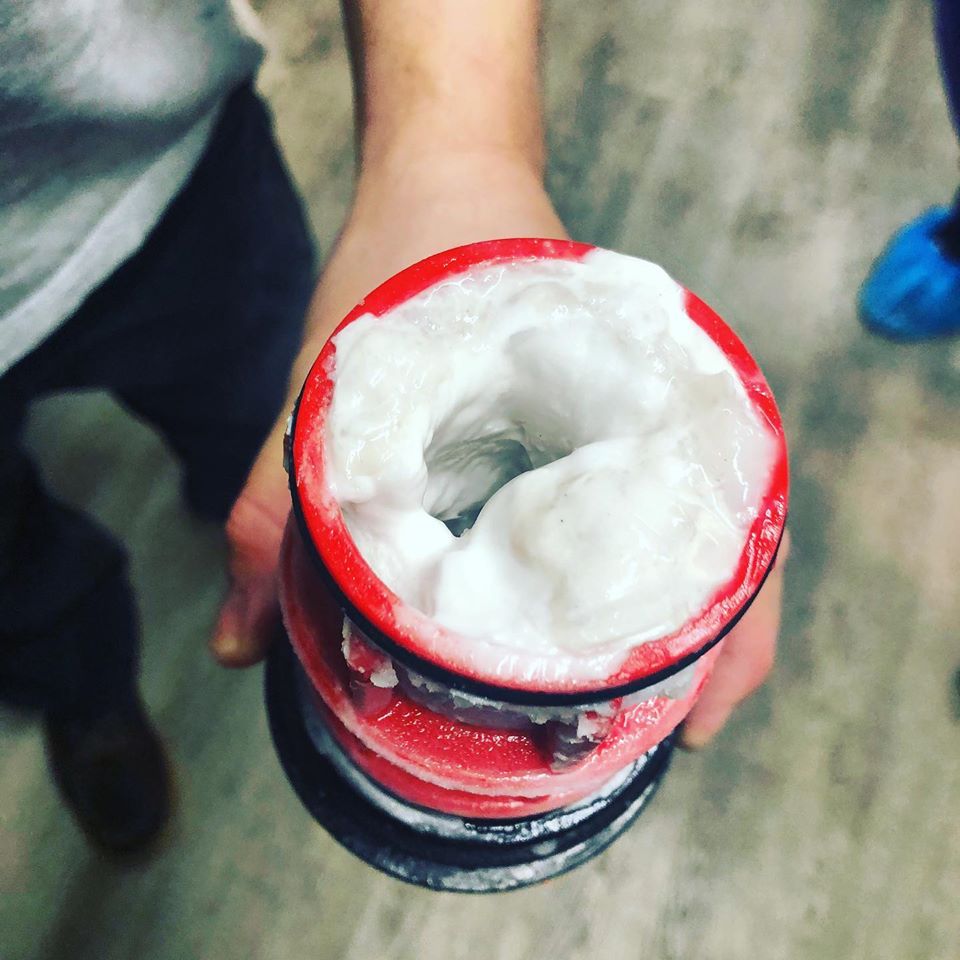 In the control of pests and disease, the simplest and easiest method is through prevention. Before each growing season, the growing and all related areas of a greenhouse or indoor farm should be clean slates. Walkways should be free of debris and plant materials, benches disinfected, water and irrigation systems pathogen free, and all related equipment should be sanitized.
After the start of a growing season, there should be plans and procedures in place to sanitize all areas of a greenhouse or indoor farm routinely to prevent the spread of plant disease, bugs, and other pests that may have infiltrated the defenses of the grow operation.
Fertilization-
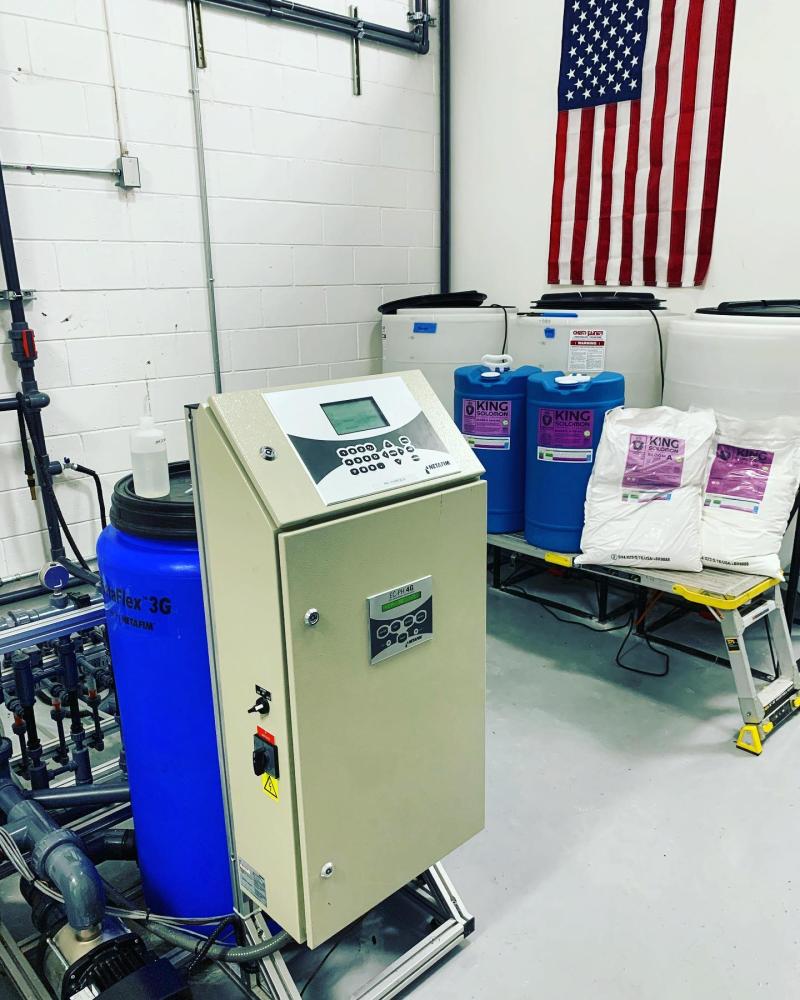 Fertilizers should be applied on a schedule or on an as needed basis while being monitored through the regular testing of water solutions or grow media. Soluble salt level and pH levels of grow media should be tested periodically throughout the growth cycle. Heavy applications of fertilizers and plant nutrients can lead to anything from root rot to excessive growth of plants.
Too much growth can surprisingly cause the populations of aphids, pathogens, and other pests to flourish out of control very quickly. Excess of minerals and nutrients can also leach out of pots and contaminate the environment.
Irrigation-
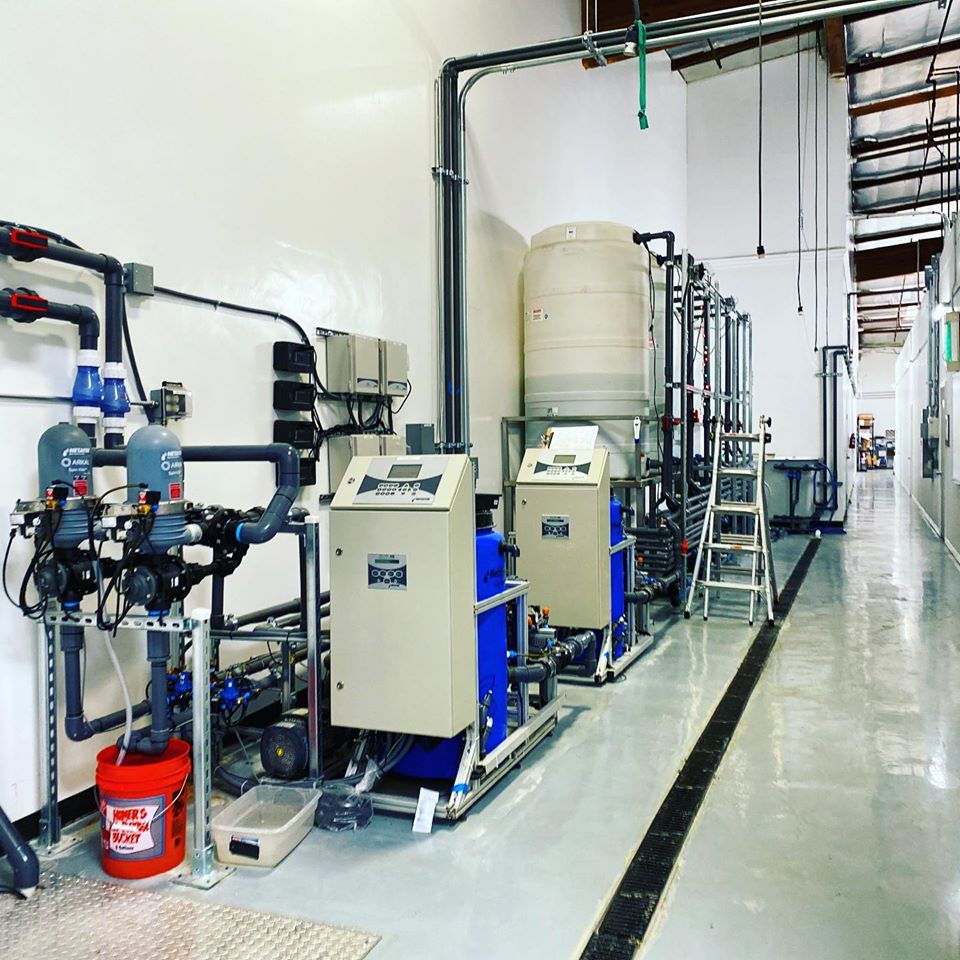 Irrigation, drip irrigation, and dosing systems are essential for any type of greenhouse or indoor farm and are the literal lifeline for plants and crops.
Watering and related systems can be manipulated to slow the overall increase of pest populations. Plants should be watered as needed, reduced on cloudy days, and avoided late in the day, Watering should be done at the root zone level avoiding the leaves.
A dry-down period should be implemented with the length of the dry down period varying per species. Proper plant spacing should also be implemented to allow for optimal drying and air circulation.
Grow Media-
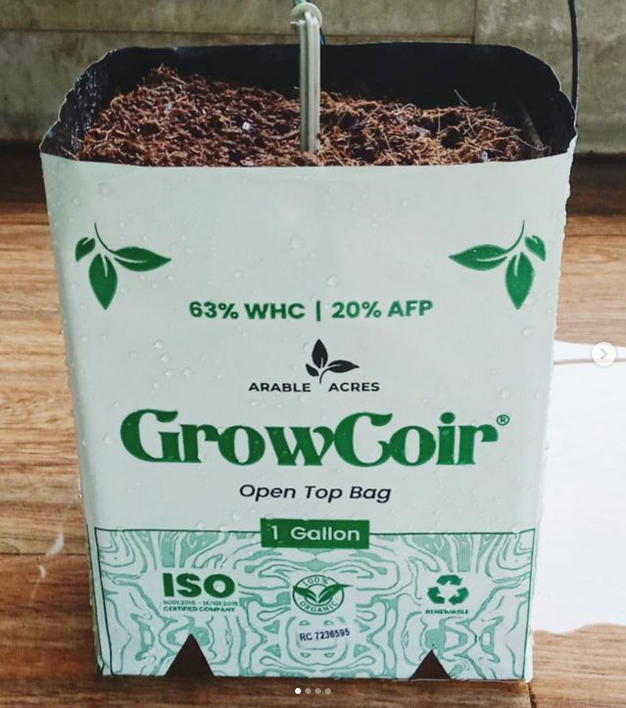 Regardless of the media type, all media needs to be clean and pasteurized. Special blends are available for disease-suppressive mixes which will either naturally suppress disease and related pathogens or have “built-in” beneficial organisms (biological control agents). Beneficial fungi are available for applications as well to aid in the prevention of pathogens in the grow media.
Using these special types of grow media mixes can also help to reduce the number of fungicide applications for root diseases in a commercial crop production facility.
Plant Quarantine-
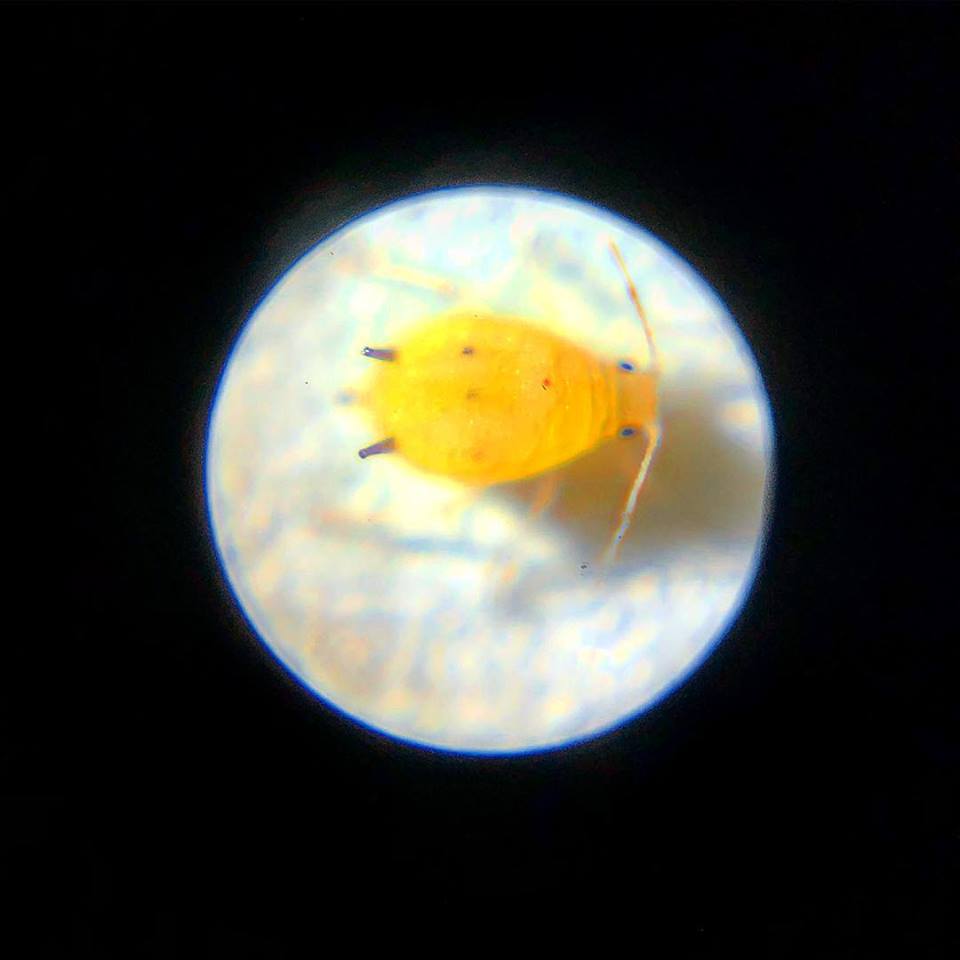 Just as a farmer needs to quarantine a new animal on the premise or an animal that has fallen ill away from the healthy stock, a commercial greenhouse needs to implement a quarantine area in place for new plants entering the greenhouse. Isolating incoming plants, and monitoring pest emergence from the new stock allows for the reduction of cross contamination of plants already in place and the possible contamination of a sterile environment. Shipments should be monitored and searched at delivery with infected shipments rejected before entering the quarantine area. In addition to quarantine, an operation should have regular scouting and monitoring procedures in place. A small infestation can quickly turn into a full blown infestation in a very short amount of time. Scouting and monitoring should be performed weekly, or preferably twice weekly during the entire production season. The same methods and paths should be performed each time with plans and procedures in place to allow for the most accurate scouting of the growing area.
Control Options
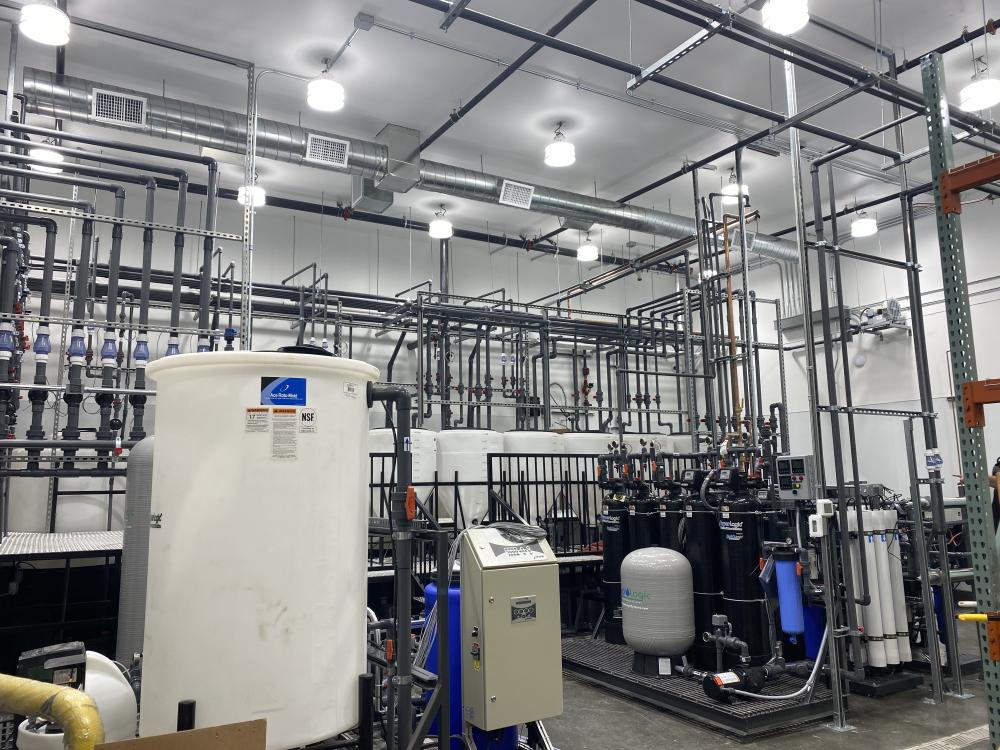 No matter the type of growing operation, there should be control measures in place. Whether the operation is traditional or organic, there are plenty of options in place for the grow operation to implement.
The overall goal of IPM is for the long-term suppression of pest and disease to where they are below the point where plant or crop damage is extremely minimal or point zero. Reliance on a single system is a path to failure.
An operation will need to use multiple systems and methods as this follows the saying of not ‘keeping all your eggs in the same basket”. If one method fails, there are others in place to set the defense barrier. In addition to chemical or organic controls, there is also the application of biological controls in the greenhouse. These use living organisms that are beneficial to plants, but harmful to pests. Physical barriers should be implemented in openings and ventilation systems as well to add a physical wall for pests trying to infiltrate the greenhouse. Those that get through can then be controlled through the aforementioned approaches.
The use of an IPM Plan is essential in the successful control and elimination of pests and pathogens in the greenhouse. With many methods and procedures that should be in place to help in the control and management of pests and pathogens, all of them can be customized then implemented into just about any type of grow operations. For questions and assistance in setting up an adequate IPM plan, MORR Inc.’s staff is available to provide suggestions and services. Backed with multiple decades of combined experience in the field, MORR Inc. can be the “ace up your sleeve” for any commercial grow operation. Click here to find out more about MORR Inc.'s extensive selection of plant pest control and plant disease control products and systems for integrated pest management programs
About MORR Inc. 
MORR Inc. is a wholesale commercial agriculture distributor for planting, growing, and farming located in Los Angeles, CA. MORR Inc. supplies top of the line wholesale commercial hydroponic systems, commercial grow systems, a wide selection of grow lights and automated control systems, nutrient rich soils and growing media, a large selection of specialized advanced plant nutrients for different plant life cycles, dosing and drip irrigation systems, high tech environmental meters and automated systems, fans, filters, plant pesticides, plant fungicides, general commercial grow facility supplies and services, plus much more! https://MORR.com

About
MORR Inc.
MORR Inc. is a wholesale commercial agriculture distributor for planting, growing, and farming located in Los Angeles, CA. MORR Inc. supplies top of the line wholesale commercial hydroponic systems, commercial grow systems, a wide selection of grow lights and automated control systems, nutrient rich soils and growing media, a large selection of specialized advanced plant nutrients for different plant life cycles, dosing and drip irrigation systems, high tech environmental meters and automated systems, fans, filters, plant pesticides, plant fungicides, automated crop management systems, general commercial grow facility supplies and services, plus much more!
Call- 1-310-967-2022