How Rhizophagus intraradices is Manufactured for Agriculture: The Power of Myco

If you’re a farmer or gardener looking to boost crop health and yield sustainably, you’ve likely heard of Rhizophagus intraradices, a powerhouse arbuscular mycorrhizal fungus (AMF) commonly known as “Myco” or “Myko.” This beneficial microbe forms a symbiotic relationship with plant roots, enhancing nutrient uptake, drought tolerance, and disease resistance. But how is this remarkable fungus produced for agricultural use? At Morr, we’re proud to offer a range of Rhizophagus intraradices products tailored to your soil and crop needs. Here’s a behind-the-scenes look at how this bioinoculant is manufactured and why it’s a game-changer for sustainable farming.
What is Rhizophagus intraradices?
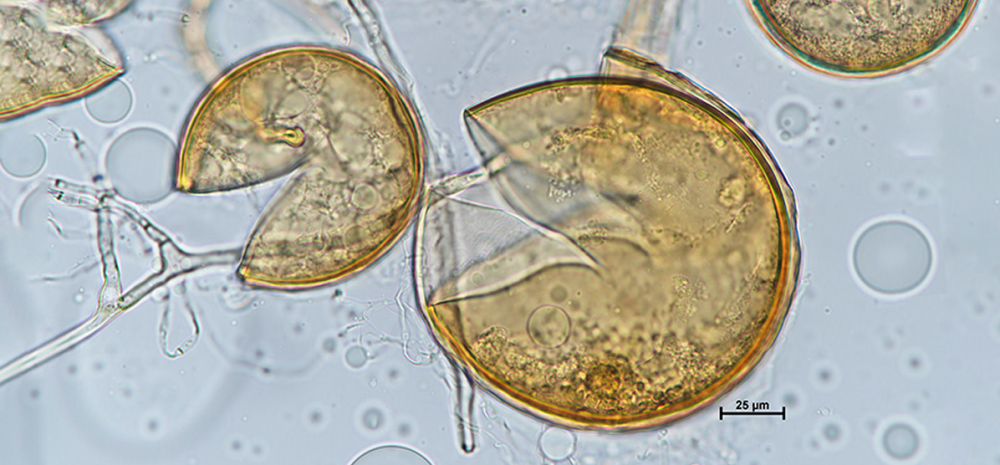
Rhizophagus intraradices is a key player in the world of mycorrhizal fungi, known for its ability to colonize plant roots and improve nutrient absorption, particularly phosphorus. Previously called Glomus intraradices, this fungus is now correctly classified under the Rhizophagus genus, with specific strains like ATT 4 and ATT 1102 prized for their efficacy. Whether you’re growing maize, soybeans, or horticultural crops, this microbe can significantly enhance plant health and resilience.
The Manufacturing Process
Producing Rhizophagus intraradices for commercial use is a meticulous process that ensures high-quality, viable inoculum. Here’s how it’s done:
1. Starting with Pure Cultures

The journey begins with a pure culture of Rhizophagus intraradices, sourced from trusted repositories like INVAM (International Culture Collection of Vesicular Arbuscular Mycorrhizal Fungi). These cultures, consisting of spores, hyphae, or colonized root fragments, are carefully selected for their ability to promote plant growth and adapt to various soil conditions. Each strain is verified using morphological traits (like spore size and color) and molecular sequencing to ensure authenticity and performance.
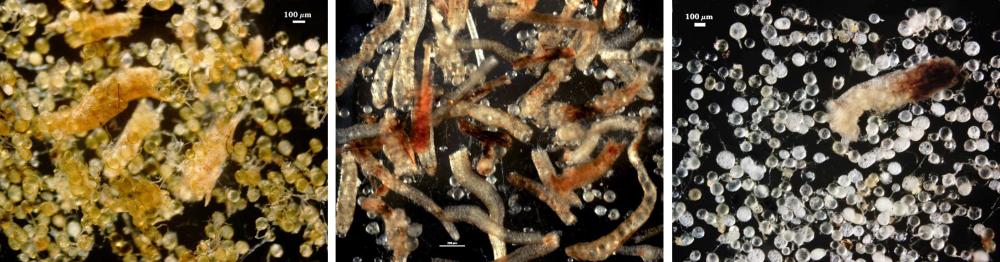
2. Propagation: Growing the Fungus
Since Rhizophagus intraradices is an obligate biotroph (it requires a host plant to grow), propagation happens in one of two ways:
- Pot Cultures with Host Plants
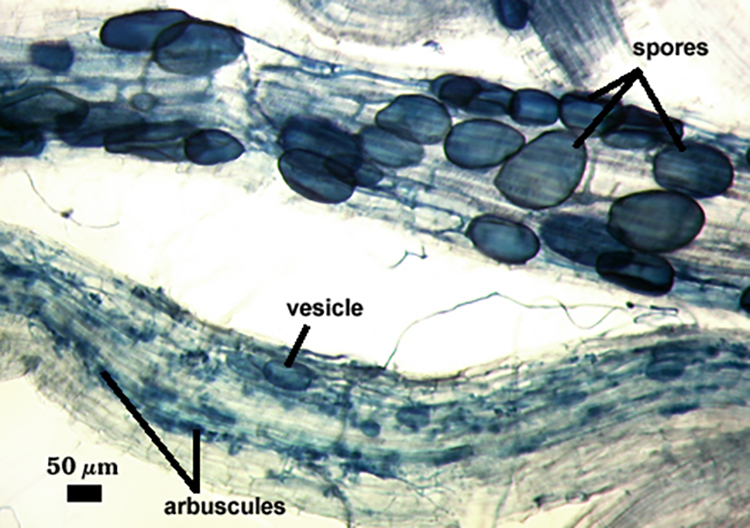
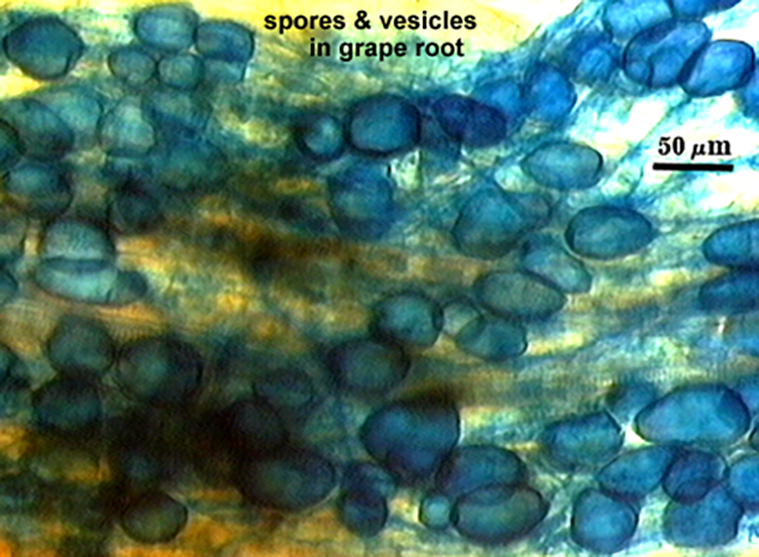
Host plants like sorghum, maize, or clover are grown in a controlled substrate, such as a mix of sand, clay, or peat. The substrate is inoculated with Rhizophagus intraradices spores or mycelium, and over 3–4 months, the fungus colonizes the plant roots, producing spores and hyphal networks. Once mature, the roots, spores, and substrate are harvested, dried, and processed into a usable form.
- In-Vitro Root Organ Cultures
For higher purity and scalability, the fungus is grown in sterile conditions using transformed root cultures (e.g., carrot or tomato roots modified by Agrobacterium rhizogenes). These cultures are maintained on nutrient-rich agar in specialized plates, allowing the fungus to produce spores and mycelium without contamination. This method, used in premium products like Glomygel®, ensures high spore counts and exceptional quality.
3. Harvesting and Formulation
Once propagated, the fungal material is carefully extracted:
- Extraction: Spores, hyphae, and colonized root fragments are separated from the substrate or culture medium using techniques like wet sieving or centrifugation. In vitro cultures are harvested under sterile conditions to maintain purity.
- Formulation: The harvested material is blended with a carrier (e.g., peat, vermiculite, or clay) to create user-friendly products-
Powders: Contain a high concentration of active spores (e.g., 10,000 spores per gram) for soil mixing or seed coating.
Granules: Encapsulated for easy soil application.
Liquid Suspensions: Ideal for irrigation or foliar sprays.
- Quality Control: Every batch undergoes rigorous testing to ensure spore viability, colonization potential, and absence of pathogens. Our products meet USDA standards for commercial distribution, guaranteeing safety and efficacy.
4. Packaging and Storage
The final product is packaged in convenient sizes, from 250g packs to bulk quantities, with clear instructions for application—whether mixing into soil, coating seeds, or adding to irrigation systems. For example, 2.5–5 kg of inoculum can treat 400 square meters of soil. Stored in cool, dry conditions, our Rhizophagus intraradices products maintain viability for months to a year, depending on the formulation.
Why Choose Rhizophagus intraradices?
At Morr, we believe in the power of Rhizophagus intraradices to transform agriculture.
This fungus:
- Enhances nutrient uptake, especially phosphorus, reducing the need for chemical fertilizers.
- Boosts drought tolerance and disease resistance, supporting healthier crops.
- Is compatible with biopesticides and biofertilizers (avoid chemical fertilizers and chlorinated water >2 ppm for best results).
- Works across a wide range of crops, from grains to ornamentals.
Tailored Solutions for Your Farm
We offer a variety of Rhizophagus intraradices brands and concentrations to suit your needs. Whether you’re managing sandy soils, clay-heavy fields, or specific crops, we can customize products to optimize results. Our team works closely with farmers to recommend the right formulation and application method, ensuring maximum benefits for your soil and plants.
Ready to Grow with Myco?
Rhizophagus intraradices is more than just a bioinoculant—it’s a sustainable solution for healthier crops and a healthier planet. Contact us today to explore our range of Myco products or request a custom formulation tailored to your farm’s unique needs. Visit https://morr.com/ to learn more and start growing smarter with Rhizophagus intraradices!
MORR takes time to research the different brands, strains, concentrations, and manufacturing processes to determine which product is best for each application. There are many companies selling Mycorrhiza so be sure to reach out for additional information on which product is right for you. Know the differences before purchasing to maximize your return on investment.

About
MORR Inc.
MORR Inc. is a wholesale commercial agriculture distributor for planting, growing, and farming located in Los Angeles, CA. MORR Inc. supplies top of the line wholesale commercial hydroponic systems, commercial grow systems, a wide selection of grow lights and automated control systems, nutrient rich soils and growing media, a large selection of specialized advanced plant nutrients for different plant life cycles, dosing and drip irrigation systems, high tech environmental meters and automated systems, fans, filters, plant pesticides, plant fungicides, automated crop management systems, general commercial grow facility supplies and services, plus much more!
Call- 1-310-967-2022