Case Study on Strawberry Plants Treated with Root Inoculant Release
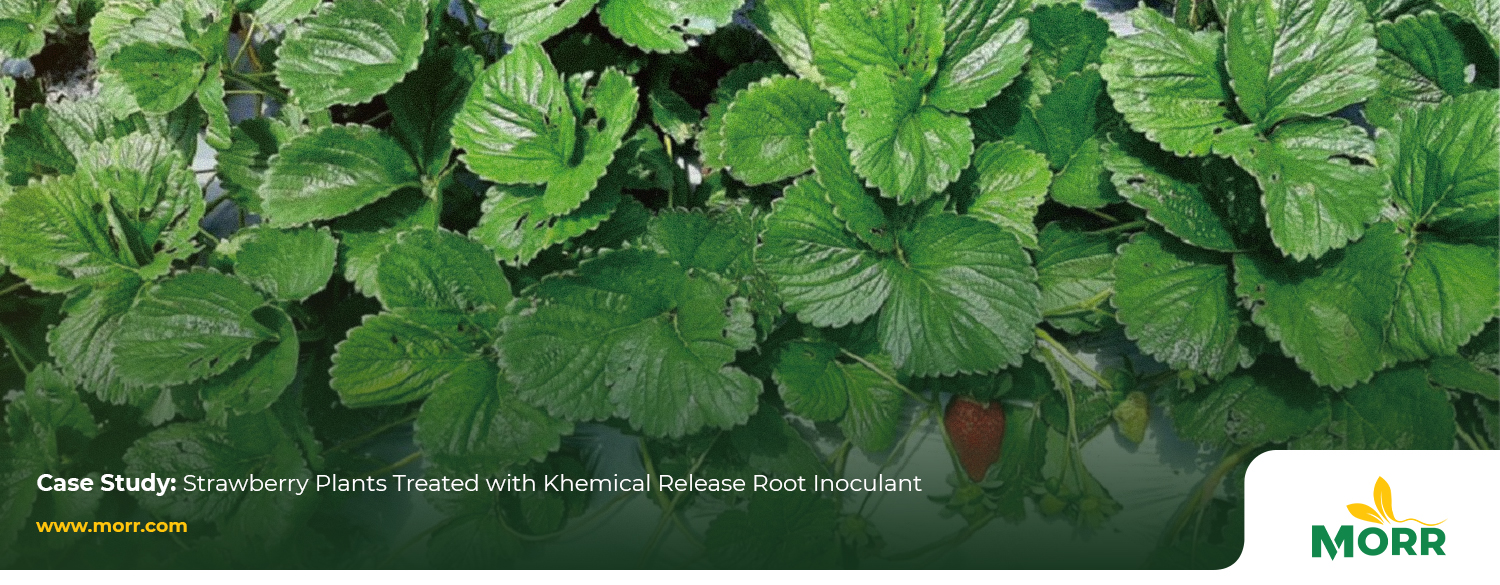
Khemical Specialty Chemicals: A Case Study on Strawberry Plants
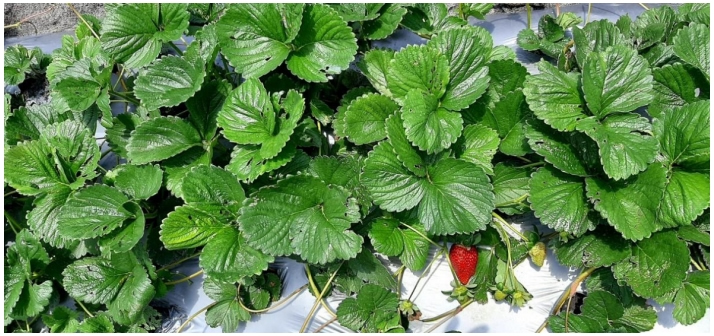
(Fragaria spp. Var. Albion) Treated with Release Fig. 1 Release-Treated Strawberry Plants at 3 Months
OBJECTIVES:
- Evaluate the efficacy of Release root inoculant on stolon development, crop yield, and crop quality for strawberry crop plants (Fragaria spp. L.).
- Compare the efficacy of microbiological inoculant Release with a major inoculant product already on the market and with “Producer management” (untreated control) on strawberry crop plants (Fragaria spp. L.).
- Evaluate the possible phytotoxic effect of the treatments on strawberry crop plants (Fragaria spp. L.).
MATERIALS (Fig. 2)
- Release: 2.5 liters per hectare (1 liter per acre)
- Product B: 2.5 liters per hectare (1 liter per acre)
- pH meter
- pH buffer product: (adjust to pH 5.5)
- Application system: Terrestrial Sprayer (Spear without nozzle)
- Colored ribbons (yellow and red) and wooden stakes.
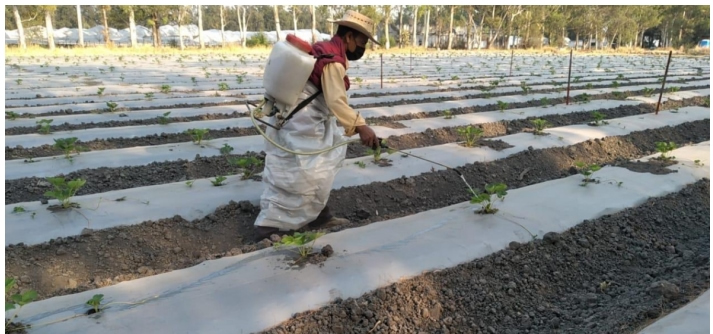
Fig. 2 First Release Application
METHODS (Fig. 2)
- Number of Trials: There was one trial on this crop.
- Trial Location: Hacienda Las Cruces, Maravatio, Michoacan, Mexico. The trial was established in newly transplanted strawberry plants.
- Number of applications: There were 2 treatment applications 28 days apart.
- Time of application:
- First application: 1 month after transplant on April 23, 2021.
- Second application: 28 days after first treatment on May 21, 2021
- Experimental Design: Random Blocks with 4 replications.
- Treatment Distribution:
|
2 |
3 |
1 |
|
3 |
1 |
2 |
|
1 |
2 |
3 |
- Plot size: 100 m² plots (5x20 m), sample size of 10 strawberry plants per treatment (according to planting density). Yields will be evaluated over total plot size.
- Application system: Terrestrial Sprayer.
- Nozzle type: Spear without nozzle (drench)
- Application pressure: 3.5 Bar
- pH of the mixture: pH 5.5
- Total Application volume: 400 L water/ha.
Table 1. Treatment Description.
|
Treat. |
Product |
Active Ingredient |
Concentration |
Formulation |
Dose |
|
1 |
Release |
Microorganism Mixture |
1.0 % |
Concentrated Liquid |
2.5 L/ha |
|
2 |
Product B |
Microorganism Mixture |
1.0 % |
Concentrated Liquid |
2.5 L/ha |
|
3 |
Untreated Control |
___ |
___ |
___ |
___ |
APPLICATION TECHNIQUE
1st Application
Treatment 1: Mix 2.5 liters of Release in 200 liters of clean non-chlorinated water, let stand for 30 minutes and later dilute the mixture in 400 liters of clean non-chlorinated water. Use the mix solution to apply over the newly transplanted strawberry plants (one month after transplant) in drench, using 100 ml of mix solution per plant.
Treatment 2: Mix 2.5 liters of Product B in 200 liters of clean non-chlorinated water, let stand for 30 minutes and later dilute the mixture in 400 liters of clean non-chlorinated water. Use the mix solution to apply over the newly transplanted strawberry plants (one month after transplant) in drench, using 100 ml of mix solution per plant.
Note: Briefly irrigate soil before starting Release and Product B application, so the inoculant products will reach the roots and not be absorbed into dry surface soil.
2nd Application
28 Days After first Application, repeat steps used for treatments 1 and 2 using the same dosage and technique as in the first application.
Notes:
- The products must be mixed in a clean non-metal container using non-chlorinated water. 2. During the development of the trial, soil fungicides and bactericides will not be used for treatments 1, 2 and 3.
- The producer may follow its application program in treatment 4 including soil fungicides and bactericides.
- The management of nutrition and fertilization is the same for all 4 treatments.
EVALUATION:
The use of root inoculant products can result in various benefits to crops including: - Increased root growth, resulting in increased soil volume the plant can reach for nutrients and water. - Healthier plants resulting in increased tolerance to diseases, which could also save on the cost of fungicide use to the soil.
- Increased tolerance to various stressors by competing / inhibiting soil pathogen growth and various other compounds.
- Having a better nourished, stress-free, and healthy crop favors the conditions to increase the yield and quality of the strawberry crop.
Variables to be evaluated in strawberry plants after the application of treatments include:
Parameters evaluated:
- Plant development (as determined by stolon development and early plant growth) • Days to flowering
- Crop Yield
- Fruit quality (including brix grades)
- Crop Uniformity
- Phytotoxicity
RESULT :
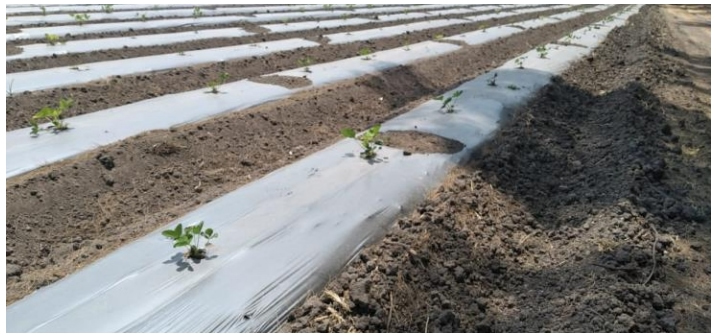
Fig. 3 Strawberry Plants Prior to First Treatment Application
- A total of 292 plants were evaluated for each treatment
Plant development
Fig. 4 Second Application and Strawberry Stolon Numbers 28 Days
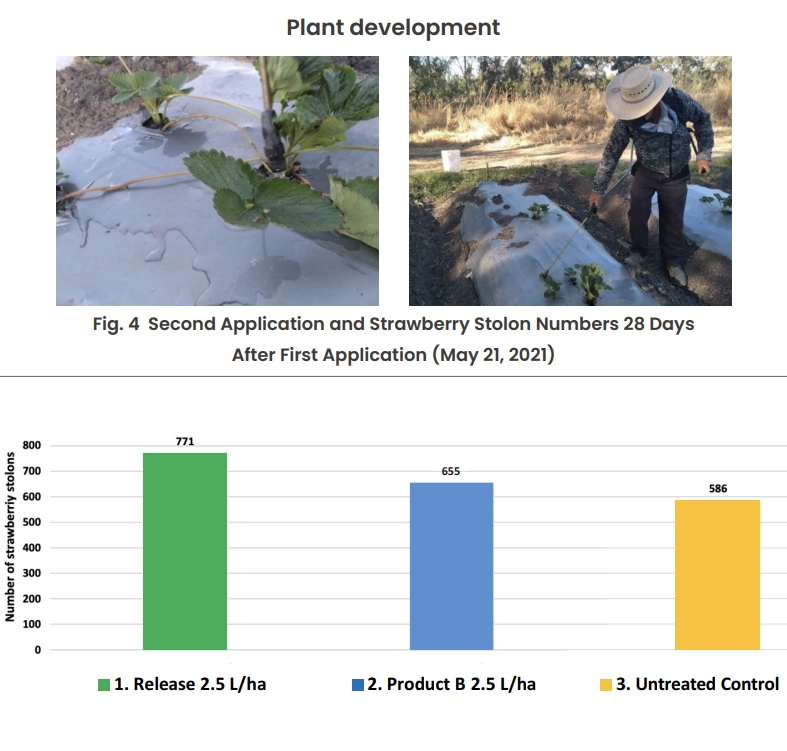
After First Application (May 21, 2021)
- Release 2.5 L/ha 2. Product B 2.5 L/ha 3. Untreated Control
Fig. 5 Strawberry Plant Development 27 Days After 2nd Application (June 18, 2021) Release Treatment Product B Treatment Untreated Control
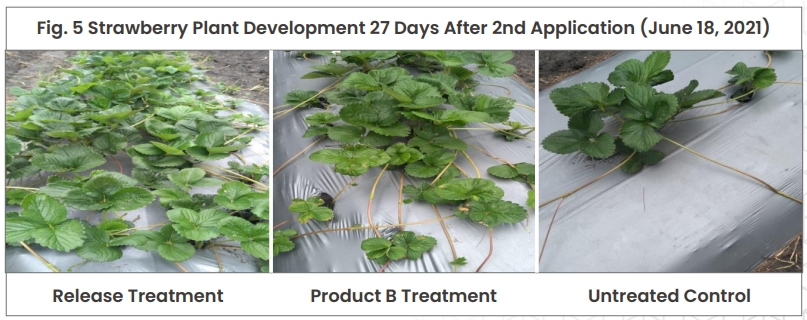
Fig. 6 Strawberry Plant Development 61 Days After Second Application
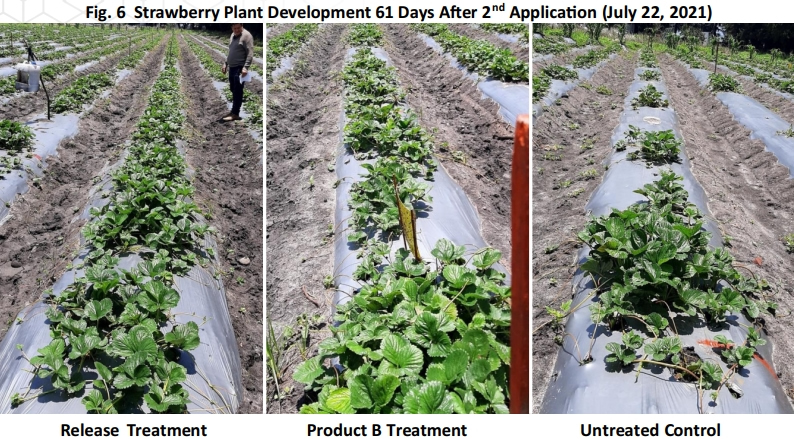
- According to the farmer, Release-treated strawberry plants had earlier and healthier development than Product B and the Untreated Control plants, including parameters such as stolon development, leaf diameter, and leaf color intensity.
- Due to Release-treated plants rapid development, the farmer decided to begin harvesting early (Aug. 6th). Once harvest started, the farmer continued to harvest once per week.
Strawberry Yield and Quality-
Fig. 7 Strawberry Yield by Quality at 76 Days After 2nd Application
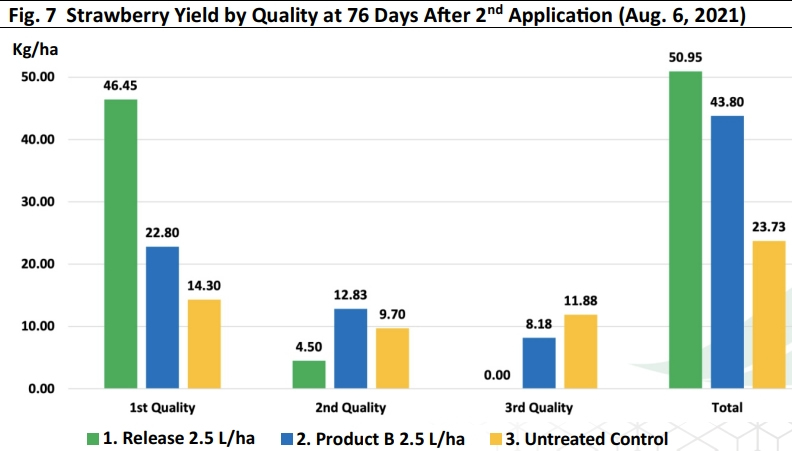
Fig. 8 Strawberry Yield by Quality at 83 Days After 2nd Application-
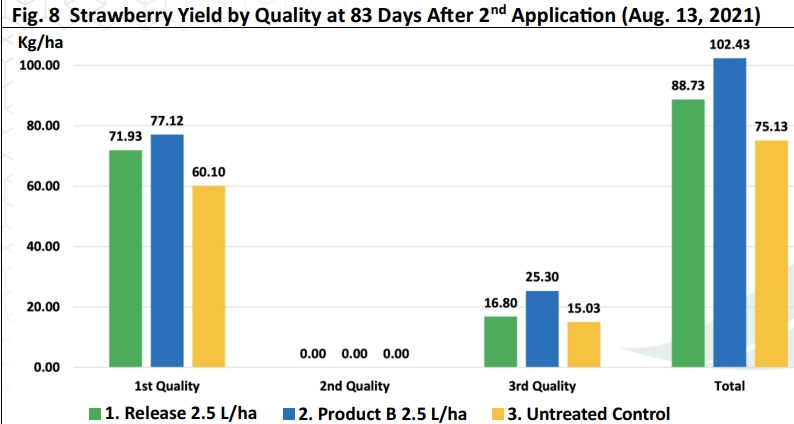
Fig. 9- Strawberry Yield by Quality at 90 Days After 2nd Application-
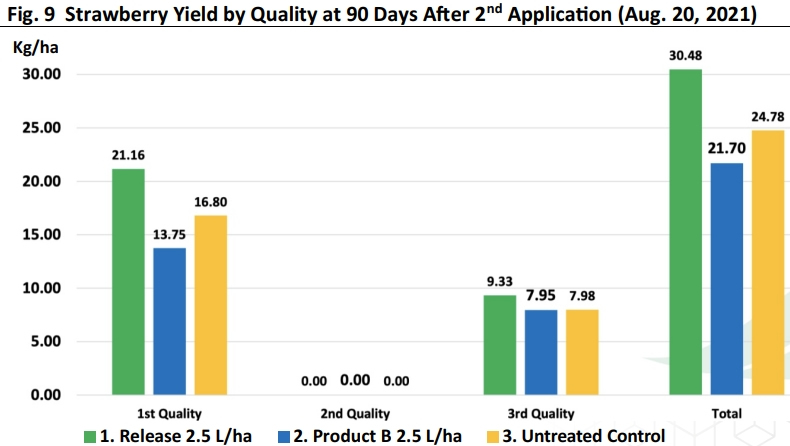
Fig. 10 Strawberry Yield by Quality at 97 Days After Second Application-
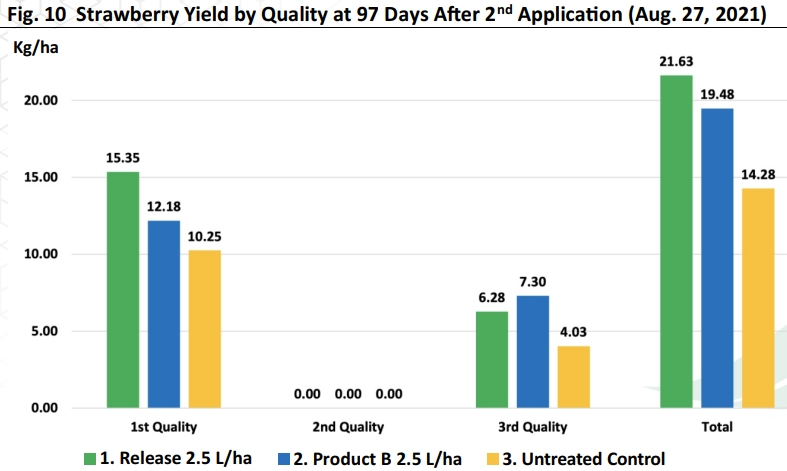
Fig. 11 Total Strawberry Yield by Quality Aug. 6 – Aug. 27, 2021-
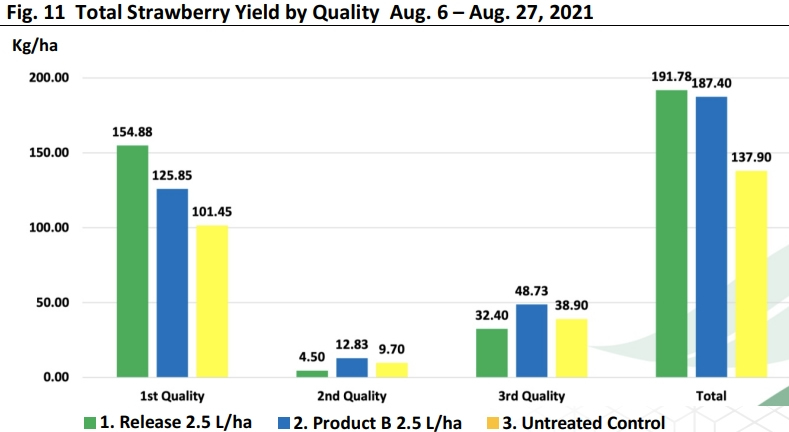
Strawberry quality was determined by the farmer-
o 1st Quality strawberries fetch the highest prices from buyers and can be exported out of country o 2nd Quality has lower price
o 3rd Quality has the lowest price
- Earlier harvests also fetch higher prices than later harvests
- Release-treated areas not only had the highest yields, they also had the earliest harvest.
o Release treatment resulted in 23% more 1st Quality strawberries than Product B over the 4-week time period evaluated
o Release treatment resulted in 53% more 1st Quality strawberries than the untreated control over the 4-week time period evaluated
o Release treatment resulted in 104% more 1st Quality strawberries in the first week of harvest than Product B
o Release treatment resulted in 225% more 1st Quality strawberries in the first week of harvest than the untreated control
o Release treatment resulted in 2.3% more strawberries than Product B over the 4-week time period evaluated
o Release treatment resulted in 39% more strawberries than the untreated control over the 4-week time period evaluated.
Fig. 12 Strawberry Quality as Determined by ̊BRIX at 20 ̊C
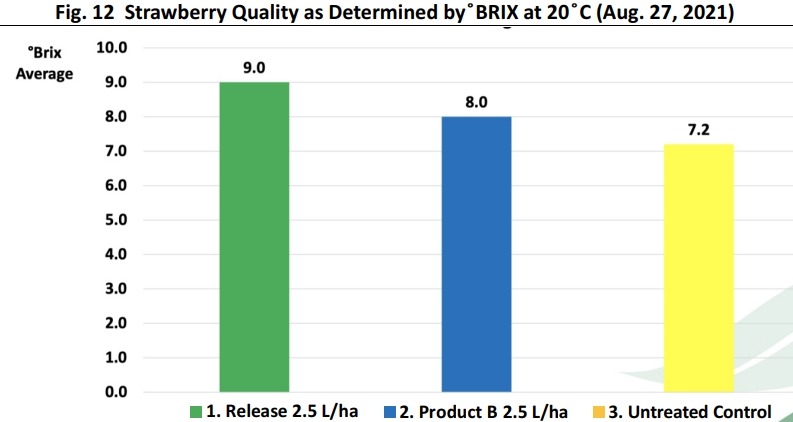
Higher BRIX indicates higher quality strawberries, with higher solids/sugars content • Higher BRIX indicates better strawberry shelf life, important for exported strawberries • Release-treated strawberries had 12.5% higher BRIX than Product B-treated strawberries • Release-treated strawberries had 25% higher BRIX than untreated control strawberries
VII. CONCLUSIONS AS PRESENTED BY THE FARMER
- Release-treated areas show a better performance and advantage over Product B and the untreated control
- We observe a satisfactory response of strawberry plants to Release treatment including stolon development, leaf diameter and color compared to Product B and the untreated control
- 97 days after 2nd application, Release-treated areas presented higher yields and better quality than Product B and the untreated control
- Release treatment resulted in a higher % of soluble solids (˚BRIX average) than Product B and the untreated control at 97 days after the 2nd application
- No phytotoxicity was observed in strawberry plants for any of the treatments.
Click here to find out more information about Khemical Release for Hydroponic Applications or Khemical Release for Soil Applications

About
MORR Inc.
MORR Inc. is a wholesale commercial agriculture distributor for planting, growing, and farming located in Los Angeles, CA. MORR Inc. supplies top of the line wholesale commercial hydroponic systems, commercial grow systems, a wide selection of grow lights and automated control systems, nutrient rich soils and growing media, a large selection of specialized advanced plant nutrients for different plant life cycles, dosing and drip irrigation systems, high tech environmental meters and automated systems, fans, filters, plant pesticides, plant fungicides, automated crop management systems, general commercial grow facility supplies and services, plus much more!
Call- 1-310-967-2022