Best Types of Grow Lights for Flower and Bloom Grow Cycle

Best Types of Grow Lights for Flower and Bloom Grow Cycle
Lights, Camera, Bloom! The Best Types of Grow Lights for Optimum Flowering and Bloom
When growing in a commercial greenhouse, all aspects need to be controlled and kept at the optimum levels for plants to grow and thrive. Anything less than optimal will lead to undue stress and will affect the overall quality and yields of crops. Proper lighting is one of the essential elements in a greenhouse. In order to supplement the natural light found in the outdoors, commercial operations will typically implement artificial light systems. A newer grow light type on the scene are LED’s.
Why Use Grow Lights In the First Place?
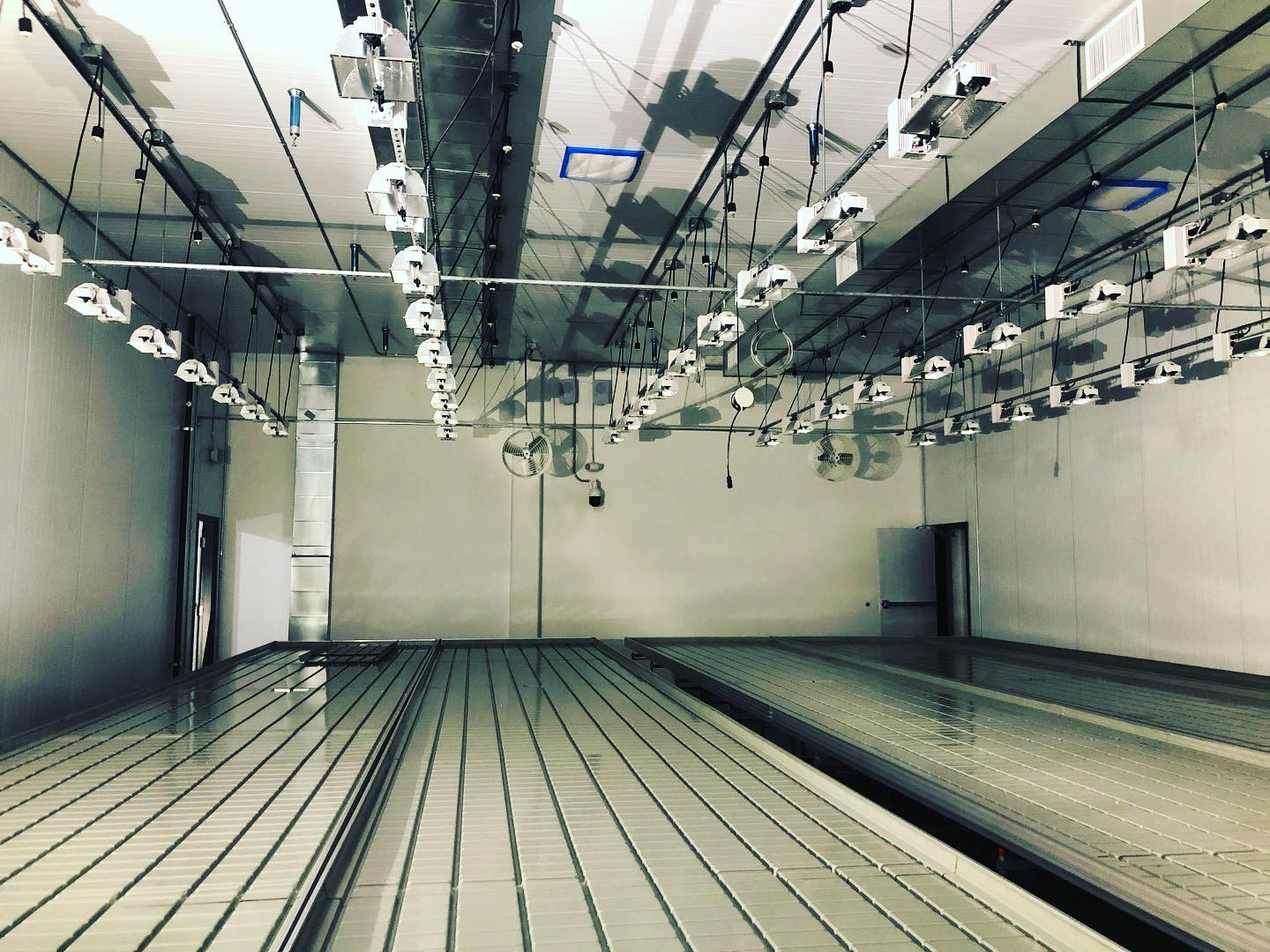 Grow lights are generally electric on source and are specifically designed to stimulate growth using specific light spectrums. Some LED’s contain all of the light spectrum, while others are condensed to a desired color spectrum. There are specific colors that benefit a plant in its development and growth. The right light spectrum, light duration, and intensity all work together to trigger certain stages of plant development from growth, flowering, and reproduction. The full visible light spectrum is seen as reds, oranges, yellows, greens, blues, indigo, and violet colors. Colors on either end of the spectrum play the largest role in plant growth and overall flowering. Yellows and greens play a lesser role. Sunlight is the best source of light for a plant, however, when the movement to greenhouses and other indoor growing facilities started, supplemental grow lights were needed. The use of full spectrum LED grow lights can provide the needed spectrums like the sun giving ample supplementation. Below is a chart of the color spectrum and the role the colors play in the life cycle of plants.
| Color | Spectrum | Role |
| Ultraviolet | 10nm-400nm | important contributor for plant colors, tastes and aromas |
| Blue | 430nm-450nm | encourage vegetative growth and are essential in lighting for seedlings and young plants during the vegetative stage of their growth cycle |
| Green | 500nm-550nm | sometimes used as a tool for eliciting specific plant responses such as stomatal control, phototropism, photomorphogenic growth and environmental signaling; typically combined with other colors |
| Red | 640nm-689nm | affects phytochrome reversibility and is the most important for flowering and fruiting regulation |
| Far Red | 730nm | can be used at the end of each light cycle to promote flowering in short-day plants |
Blushing Reds Promoting Blooms
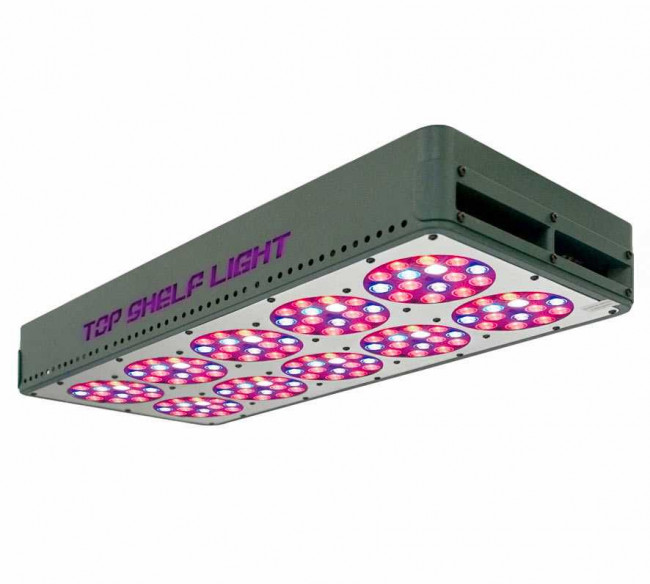 On the spectrum of light, reds are the best color choice for promoting bloom and flowering in plants. These are the longest wavelengths of light and are regarded as the most important in the spectrum of 640-680nm. Wavelengths in this range promote vegetative stem growth, flowering and fruit production, and the production of chlorophyll. These wavelengths are known as warm light and can often be seen in heating lamps used in other applications other than horticulture. Reds are naturally more prevalent in sunlight during shorter days of the year in autumn and winter. Other factors influence the bloom and overall flowering activity of plants in a greenhouse setting such as intensity and duration. Although sunlight provides the best intensity of light for plants, in a greenhouse supplementation is best as not all plants require the same intensity of light. In a greenhouse, the most intensity of light is at the closest range. Duration of light is also important during the blooming and flowering stages of plant growth. Depending on the species of plant, some are solely dependent on the duration of light to signal blooming- for example chrysanthemums. For basic indoor growing, there should be a minimum of 12-14 hours of light per day. Darkness is also important as it helps a plant to rest and trigger the flowering response. There are two different types of plants when it comes to lighting- short-day and long-day. There are neutral plants that bloom without much regard to day length as well, however, these do best with longer durations of light. In order to achieve the best control of light duration- a timer and shade cloth can be used to simulate a longer or shorter day.
| Type | Examples |
| Short Day- Days are shorter than nights (Spring and Fall months) | Chrysanthemums, Poinsettias, Strawberries |
| Long-Day- Days are longer than the nights (summer crops) | Onions, Spinach, and other vegetable crops |
| Neutral Crops- Day Length does not influence bloom times | Sunflowers and Tomatoes |
Grow Light Types- Does it actually matter?
There are many different types of grow lights available to the industry with pros and cons for each. The choice of which is best is dependent first on the budget, plant needs, space, and overall facility design and goals. All grow light types fulfill their purpose of promoting growth in plants in areas where sunlight is not available or in short supply, however, depending on the set up, one specific type may be the best option in comparison to another. In the industry there are HPS (High pressure sodium grow lights), HID (high-intensity discharge lights), and LED (Light emitting diode lights). Below is a chart outlining the types of grow lights with pros and cons of each.
| Grow light Type | Benefits | Drawbacks |
| HPS- High Pressure Sodium | Used for decades and is still the most common, emit mostly yellows and reds (565-700um), 10,000 hours or 18 month life | Burn hot (plants and flammable materials like shade cloth can not be close to bulbs), no blue wavelengths emitted, requires larger spacing from plants and tables |
| HID- High-Intensity Discharge | Brightest light, ten times more efficient than traditional lighting, contain reds and yellows | Burns hot (plants and flammable materials can not be close to the bulb), no blue wavelengths, requires large spacing between lights and grow tables |
| LED- Light Emitting Diode | Newer on the market, ability to manipulate the spectrum, long life and efficiency, 50,000 hour burn time, some can emit specific waves while others all broad, plants can be close to light or touching (burn cool) | Can be costly to purchase and install, if broad spectrum is not installed grower will need to change out lights to meet plant’s needs |
Either of the listed types above can be used for the bloom cycle as this stage of growth requires red wavelengths. All grow lights emit these colors unless they are LED’s that are specifically made to emit the other spectrums. Whichever one is the best for the operation is dependent on the growers needs and plant needs. LED’s are becoming even more popular day by day for use with the largest selling factor being that they can be placed close to the plants and do not emit additional heat, perfect for vertical farming applications.
Timers and Automation
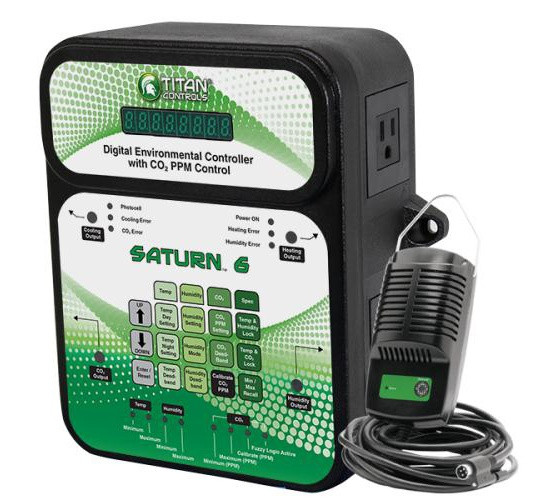 Another way to fully take advantage of grow lights and artificial lighting is through the use of grow light timers. These can be set to specific lengths of time to turn the lights on and off without the need of the operator. Some systems can also be set up to correspond to other greenhouse activities such as shade cloth movement, temperature controls, and watering schedules. The use of automation in a commercial setting is ideal and in most cases a necessity as it takes away the stress and hassle of dealing with what can be seen as mundane tasks. Click here for more information about MORR Inc. extensive selection of commercial grade grow lights
About MORR Inc.
 MORR Inc. is a wholesale commercial agriculture distributor for planting, growing, and farming located in Los Angeles, CA. MORR Inc. supplies top of the line wholesale commercial hydroponic systems, commercial grow systems, a wide selection of grow lights and automated control systems, nutrient rich soils and growing media, a large selection of specialized advanced plant nutrients for different plant life cycles, dosing and drip irrigation systems, high tech environmental meters and automated systems, fans, filters, plant pesticides, plant fungicides, automated crop management systems, general commercial grow facility supplies and services, plus much more! https://www.morr.com

About
MORR Inc.
MORR Inc. is a wholesale commercial agriculture distributor for planting, growing, and farming located in Los Angeles, CA. MORR Inc. supplies top of the line wholesale commercial hydroponic systems, commercial grow systems, a wide selection of grow lights and automated control systems, nutrient rich soils and growing media, a large selection of specialized advanced plant nutrients for different plant life cycles, dosing and drip irrigation systems, high tech environmental meters and automated systems, fans, filters, plant pesticides, plant fungicides, automated crop management systems, general commercial grow facility supplies and services, plus much more!
Call- 1-310-967-2022