2 Part Plant Fertilizers

Fertilizers- The Nutrient Superheros of Plants and Operators Alike
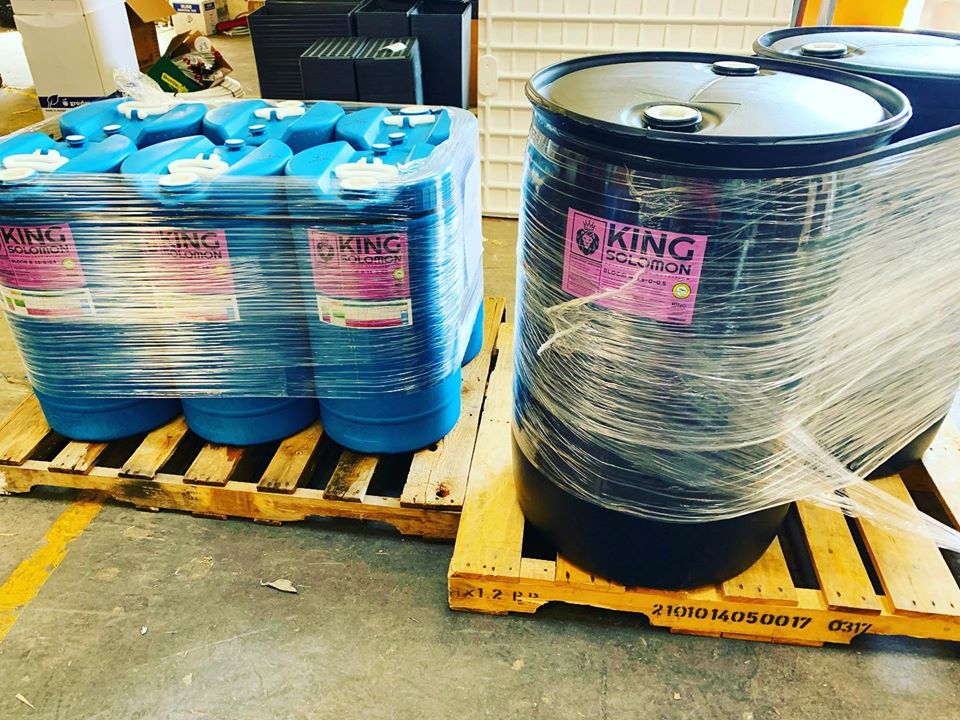 The use of fertilizer to boost a plant’s health and the growing media’s nutrient levels has been done for centuries. A wise grower knows that fertilizers need to be applied in a smart manner and done with the plant in mind. A plant needs over 14 different nutrients and minerals to be healthy throughout the growing cycle. By testing the soil, media, and plant tissue analysis the grower can fully understand a crop’s needs and apply a fertilizer accordingly. To become knowledgeable in the types and forms of fertilizers will aid the commercial operation in selecting the right fertilizer or plant nutrient blend for the job.
Organic and Inorganic Fertilizers
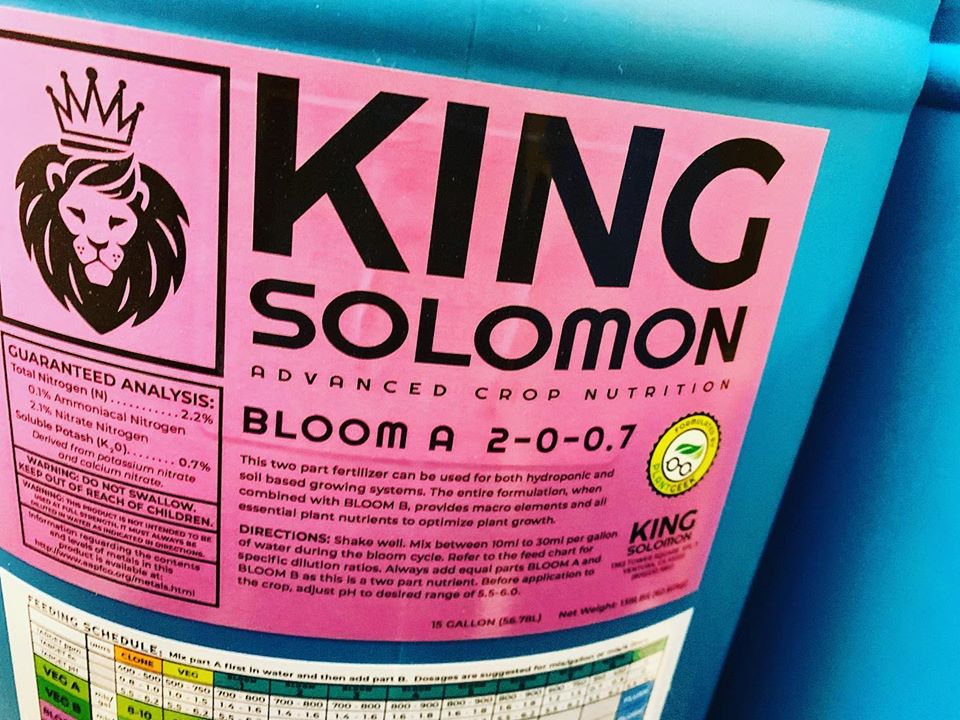 Fertilizers can be found as organic and inorganic materials. Organic fertilizers range from compost, livestock manure, and other animal and plant by-products. These are excellent sources of nutrients, however, there is no consistency in the levels of plant nutrients. Some manufacturers will have estimated levels on the bags, but these are only guesstimates. Inorganic fertilizers are those from a non-living source. These are made up of chemical compounds that contain necessary nutrients. Using inorganic fertilizers create the ability to quickly boost levels and give the necessary boost to the plants when needed instead of waiting for organic material to break down.
Phosphate Fertilizers 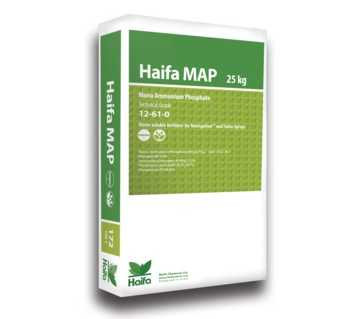 Phosphorous is a macro-nutrient meaning it is needed in large amounts by the plant throughout its life cycle. A plant needs phosphorus continuously and will strengthen the root systems of plants as well as the stem. Flowering, fruiting, and other aspects of the reproductive cycles of plants are also boosted by the plant. Symptoms of a phosphorous deficiency will show stunted growth, as well as dark blueish-green hues on the leaves and stem eventually becoming purple. Adding phosphorus to the soil is generally a good idea at the start of a growing season to ensure the plants do not become deficient. This nutrient is slow- acting and long lasting in the soil so testing is necessary.
Nitrogen Fertilizers Nitrogen is a macronutrient that is found in basically every fertilizer used for plants. This nutrient is needed in large amounts during the plants life cycle mainly during the middle stages of the plants lifespan. The use of nitrogen is to mainly promote the growth of large stems and leaves. nitrogen also promotes the rapid growth and encouragement of healthy development of foliage and fruits as well as being perfect for young plants that need to grow fully established quickly into soil. Some plants require more nitrogen than the others while other plants will give off nitrogen into the soil. Both organic and inorganic fertilizers can be excellent sources of nitrogen. It is important for a grower to test the soil for nitrogen as nitrogen runoff contributes to environmental impacts.
Potassium Fertilizers 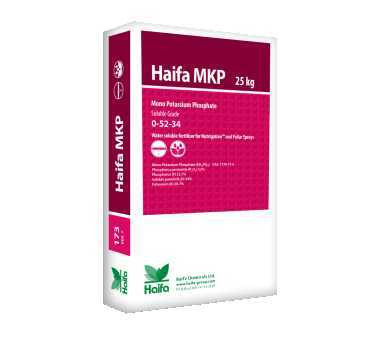 Is another macro nutrient that is needed in large quantities than micronutrients. potassium has many benefits such as allowing roots to grow deeper and stronger, protect from stress of other nutrient deficiencies needed by the plant, the ability to slow disease and stress related to pathogens, and is essential for photosynthesis to occur. Signs of potassium deficiency include yellowing and browning of leaves along the leaf margins and over a long-term deficiency leaf die off will occur. Potassium fertilizer's recommended application and use depends on the type of plants grown in the soil. A grower should apply the potassium at the roots as close as possible for optimum absorption of the nutrients.
Forms of Fertilizer Fertilizer can come in many different forms for application. Each form has its pros and cons as to application with selection of which type dependent on the system and growing method, as well as the operator’s preference. Fertilizer can be applied as a liquid, powder, or in granular form. A liquid fertilizer will need diluted down to the desired concentration with water. A benefit of liquid fertilizers are their ease of customization in concentration and their ability to be integrated directly into the irrigation and drip irrigation lines. Powdered or dry fertilizers can also be productive in water and customized to concentration when mixed into a water solution.
However, in most cases powder fertilizer is sprinkled over the soil surface and watered to allow for complete absorption. Granular lawn fertilizers can be spread over the top of the soil for the gradual breakdown and absorption into the soil with each watering. They are very similar in application and use, however, granular is in a more solid form than powder. Granular fertilizers work best in traditional applications with growing media instead of the water based systems due to the potential for clogs in a system.
2 Part Plant Nutrient Fertilizer Applications and Product Recommendations
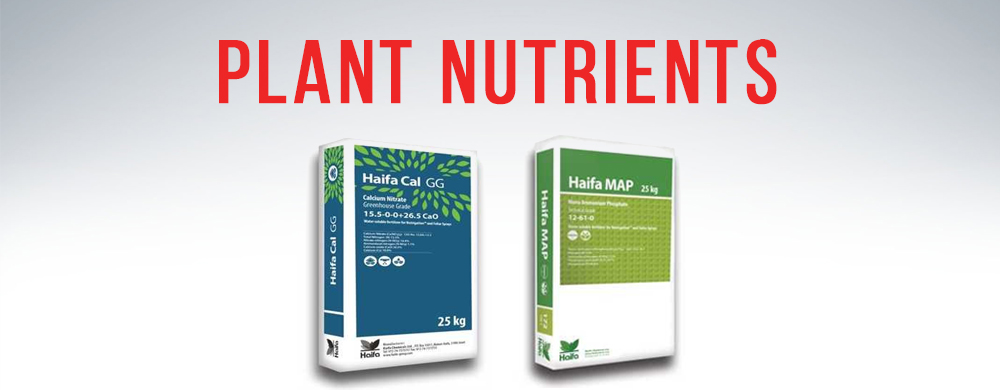 With the many types and ways to apply fertilizers, an operator should be aware of proper application of fertilizers to reduce the risk of run off and increase the efficiency of the application. Generally in traditional applications, fertilizers are applied during the spring at the start of the growing season. These fertilizers are generally basic mixes with the macro nutrients of NPK. A grower should be aware that nutritional needs vary depending on the soil type, nutritional needs of the plants, as well as the nutrient draw of the plant during one of the most excessive growing periods of growth. Some plants are what’s called heavy feeders and require intermittent feedings of nutrients. However, other plants are specifically evolved to survive in poor environments and benefit from very little applications of plant nutrients and fertilizers. An operator should always research specific needs of their crops as well as take regular soil and media readings to make decisions on applications and timings.
| Type | Key Notes | Application Suggestions |
| Liquid | Liquid applications should be done with the weather in mind, as well as the current plant’s health. Recently planted or transplanted plantlets will burn from fertilizer applications that are too soon due to the miniature root hair wounds. For the application of this type, one should wait 2-3 weeks before application on recently transplanted crops. Weather also plays a key role, as applying in poor weather will cause leaching and the loss of the applied fertilizer. Soil types will also impact the rate of drainage and spread of liquid applications as well. | Watering tools such as watering carts, and integration into direct irrigation lines, and injectors |
| Powder | Application of powdered fertilizers are generally measured as pounds per acre or feet. The powder should be applied at the root zone, rather than the leaves. By applying the powder at the root zone, when the crops are watered the fertilizer will come into direct contact with the crop and allow for the maximum and efficient absorption of the nutrients. | By hand, injectors when applied in a water solution |
| Granular | Granular fertilizers are similar in their application to powdered fertilizers. These should be spread evenly and according to direction over the soil surface in the root zones. Granular fertilizers are slow release over time depending on the brand and nutrient blends. Always follow the manufacturers’ recommendations. | By hand, injectors when applied in a water solution |
Click here for more information about Rf Agriculture’s complete line up of commercial grade plant nutrients and fertilizers 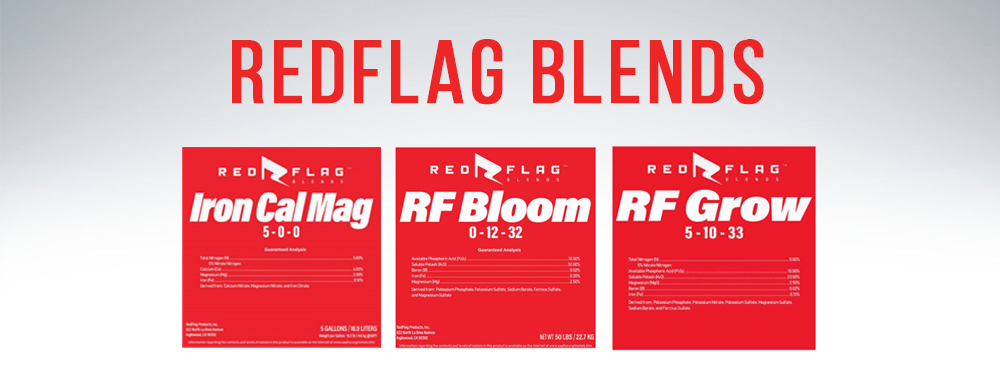
About MORR Inc.-
 MORR Inc. is a wholesale commercial agriculture distributor for planting, growing, and farming located in Los Angeles, CA. MORR Inc. supplies top of the line wholesale commercial hydroponic systems, commercial grow systems, a wide selection of grow lights and automated control systems, nutrient rich soils and growing media, a large selection of specialized advanced plant nutrients for different plant life cycles, dosing and drip irrigation systems, high tech environmental meters and automated systems, fans, filters, plant pesticides, plant fungicides, automated crop management systems, general commercial grow facility supplies and services, plus much more! https://morr.com

About
MORR Inc.
MORR Inc. is a wholesale commercial agriculture distributor for planting, growing, and farming located in Los Angeles, CA. MORR Inc. supplies top of the line wholesale commercial hydroponic systems, commercial grow systems, a wide selection of grow lights and automated control systems, nutrient rich soils and growing media, a large selection of specialized advanced plant nutrients for different plant life cycles, dosing and drip irrigation systems, high tech environmental meters and automated systems, fans, filters, plant pesticides, plant fungicides, automated crop management systems, general commercial grow facility supplies and services, plus much more!
Call- 1-310-967-2022