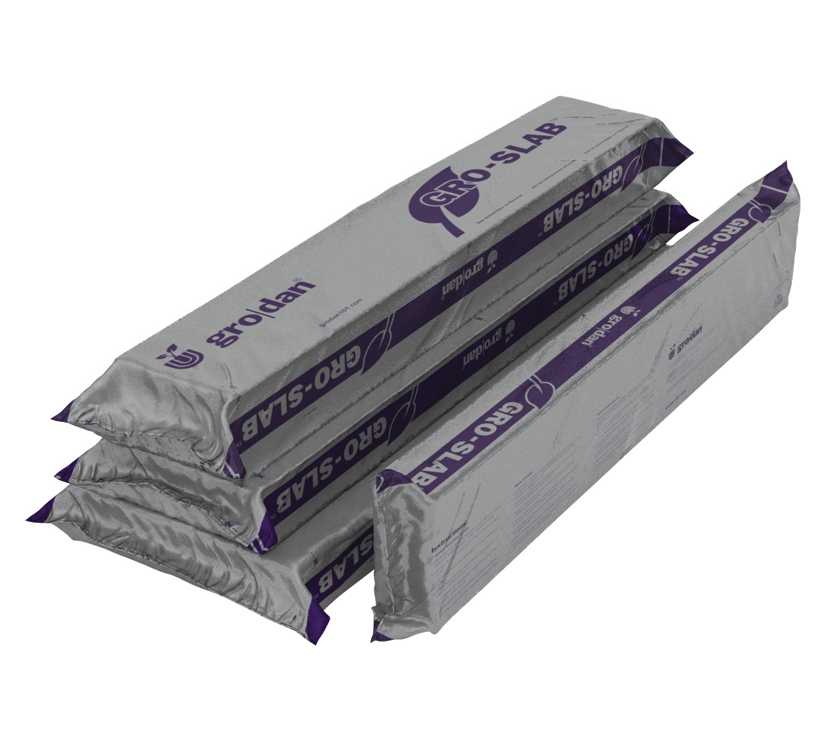
Grodan Rockwool Slabs are high-density mineral wool substrates engineered for long-duration crop cultivation in commercial hydroponic systems, particularly for vining crops such as tomatoes and cucumbers. Designed as the final growing stage in a "blocking-on" system, these slabs provide a stable, controlled root environment for plants transplanted from starter blocks. Manufactured from molten basalt rock, the stone wool is formed into long, consistent slabs that balance superior water retention with high oxygen availability, enabling fast vegetative growth and extended fruiting cycles.
Core Technology and Performance
Grodan slabs leverage advanced hydrophilic fiber technology, including the Advanced Wetting Agent, which ensures uniform distribution of water content (WC) and electrical conductivity (EC) throughout the slab volume. This technology guarantees rapid re-saturation, providing precise control over plant water uptake. The inert stone wool fibers do not bind nutrients, eliminating the need for pre-cultivation flushing and enabling sustainable nutrient management from the start of the crop cycle. Vertical fiber orientation within most slab variants promotes fast root penetration and homogenous development, while simultaneously ensuring rapid drainage and efficient oxygen transfer to the root zone. This engineered structure facilitates a wide steering range, allowing growers to modulate irrigation between 55% and 78% water content (day level) to actively manage plant growth and fruit production.
Product Lines and Specifications
Two primary slab lines, Gro-Slab and Uni-Slab, address different cultivation scales and applications.
Gro-Slab Systems are the foundational product line for multi-plant production runs in greenhouses and controlled environments. Standard sizes include the 36-inch length in various widths (6-inch or 8-inch) and thicknesses (3-inch or 4-inch), allowing growers to match slab volume to plant density and irrigation strategy. Slabs are available with or without pre-cut 4 x 4-inch holes to accommodate transplanted blocks. A larger 12-inch x 3-inch x 36-inch "Classic" slab (not listed in your product array but relevant for context) features horizontal fibers, creating a "wetter" slab that holds more moisture and supports a higher plant count per unit area.
Uni-Slab Design offers a self-contained, single-plant solution. The 9.5" x 8" x 4" slab is fully encased in a UV-resistant, biodegradable sleeve that prevents algae growth, contains the root system, and slows evaporation. This design allows for flexible plant spacing and is suitable for both top-drip and flood-and-drain systems. The Uni-Slab combines the scalability of a slab with the manageable unit size of a large block, making it ideal for individual plant management, crop trials, or growing large specimen plants.
Commercial Packaging and Sourcing
These slabs are supplied in commercial-scale packaging. Gro-Slabs are typically packed in cases of 12, with cases consolidated onto pallets for high-volume operations. Specific pallet quantities are indicated in the product list. For example, the standard 6" x 3" x 36" Improved Gro-Slab ships in a pallet of 120 units. The Uni-Slab is supplied in cases of 16. All slabs are wrapped in a protective sleeve to maintain structural integrity during handling and transport.
Comparison of Grodan Slab Product Lines
Integration and Best Practices for Use
Successful use of Grodan slabs requires integration into a complete cultivation protocol. Plants are started in Grodan starter plugs, transitioned to a Gro-Block (e.g., GR10 or Hugo), and finally transplanted onto the slab. Slabs are placed on raised benches or gullies with a slight slope (approximately 1% grade) to facilitate drainage. A pressure-compensated drip irrigation system with one dripper per plant site is standard. Irrigation management is data-driven, guided by monitoring slab weight to maintain water content within the optimal 55-78% range for crop steering. This systematic approach, supported by Grodan's digital tools like GroSens, enables growers to maximize yield and resource efficiency.


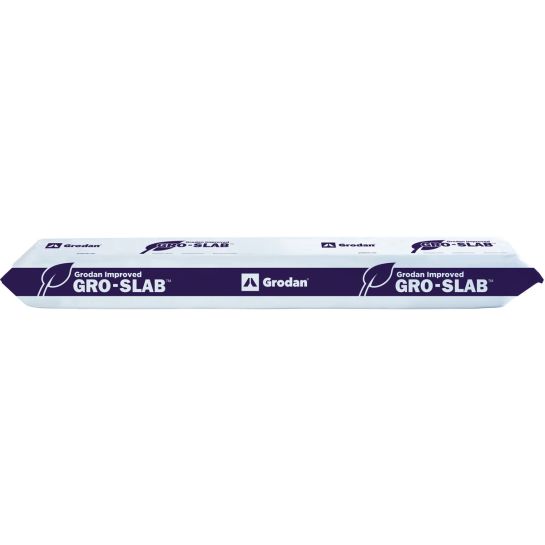
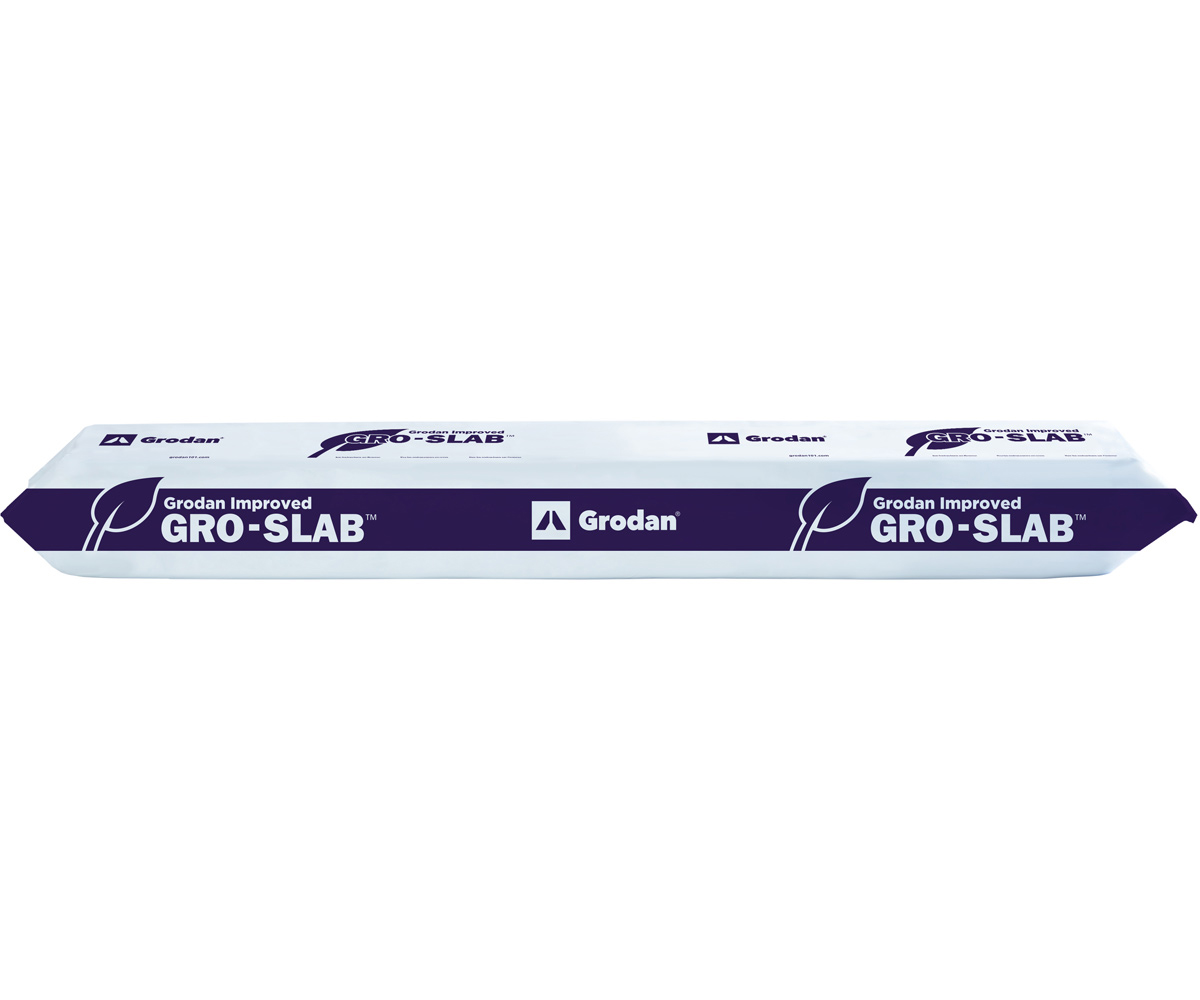 GRG046 Grodan Improved Gro-Slab - 36-Inch x 6-Inch x 3-Inch - Not Cut (Pack of 12) (10/plt)
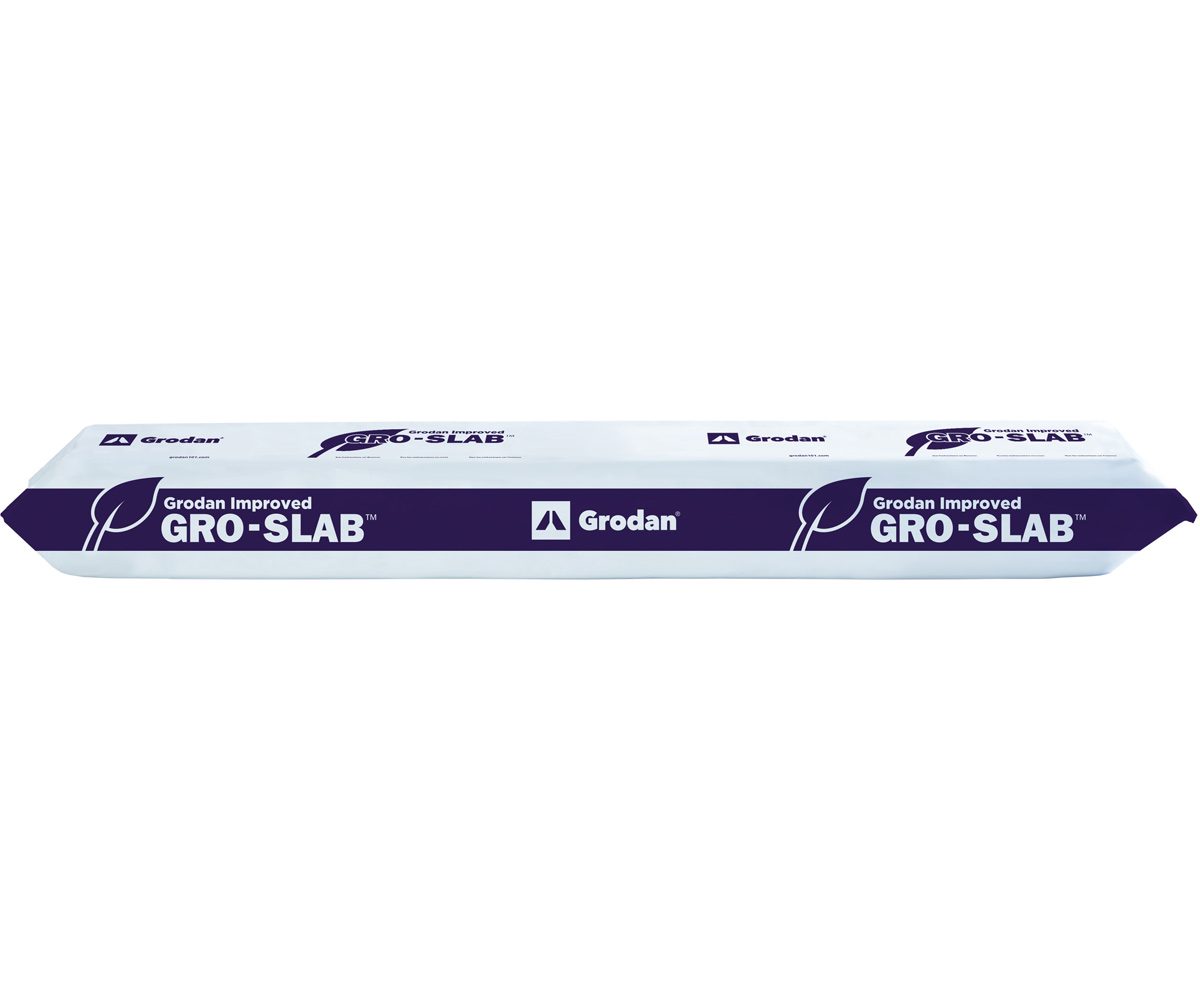 GRG047 Grodan Improved Gro-Slab - 36-Inch x 6-Inch x 3-Inch - Pre-Cut Holes (Pack of 12) (10/Plt)
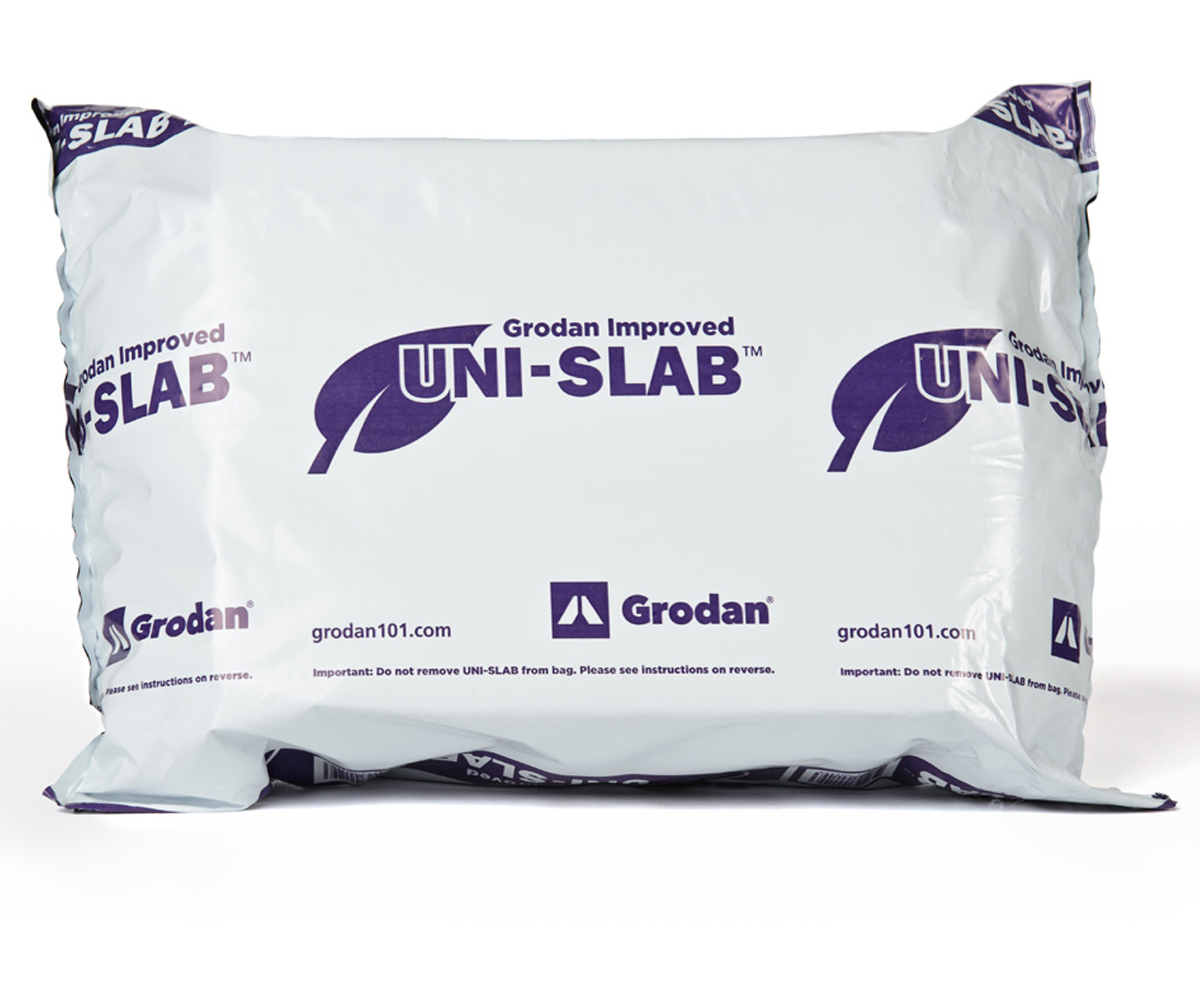 GRG045 Grodan Improved Uni-Slab - 9.5-Inch x 8-Inch x 4-Inch - Precut (Pack of 16) (18/Plt)